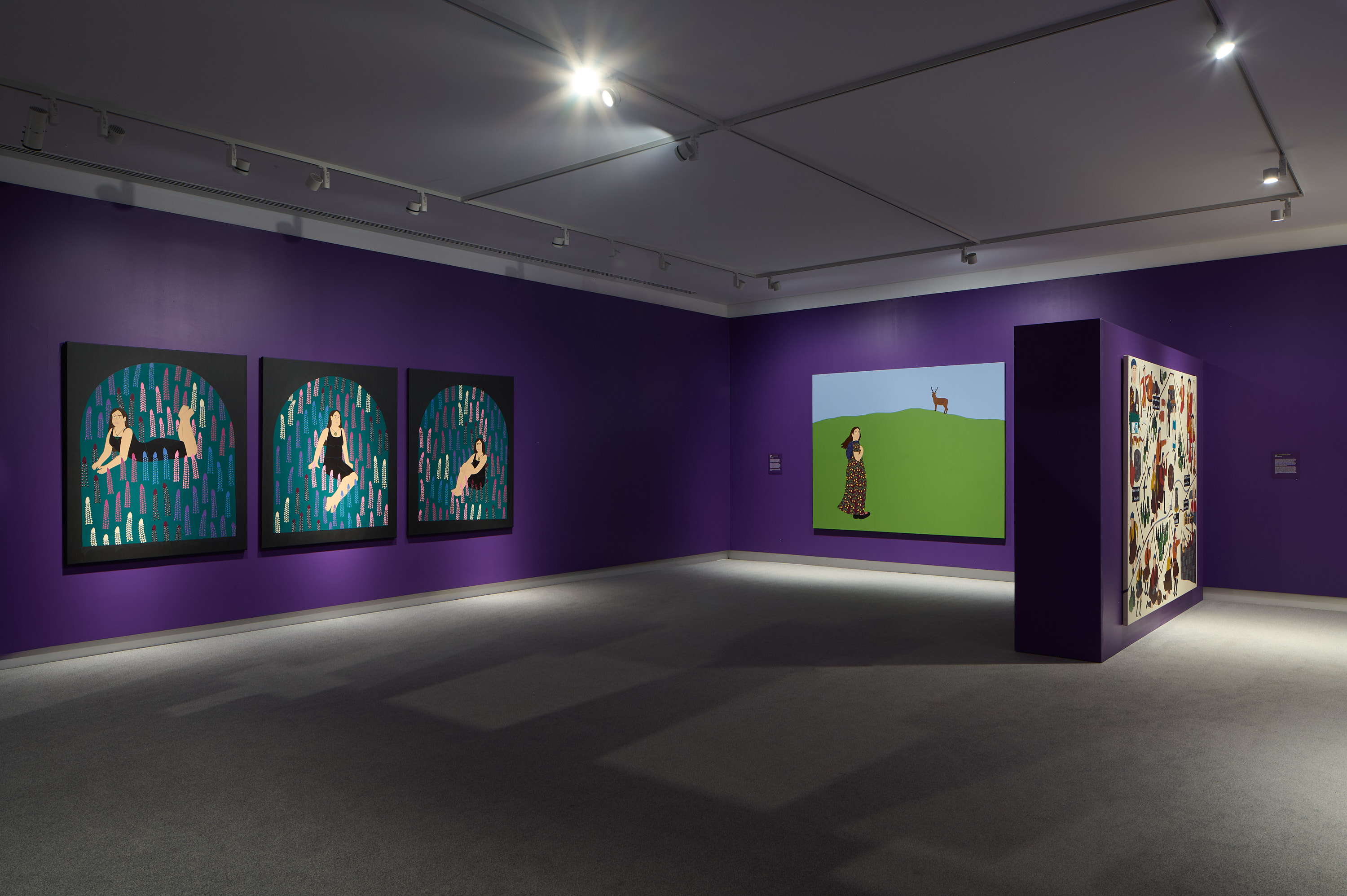
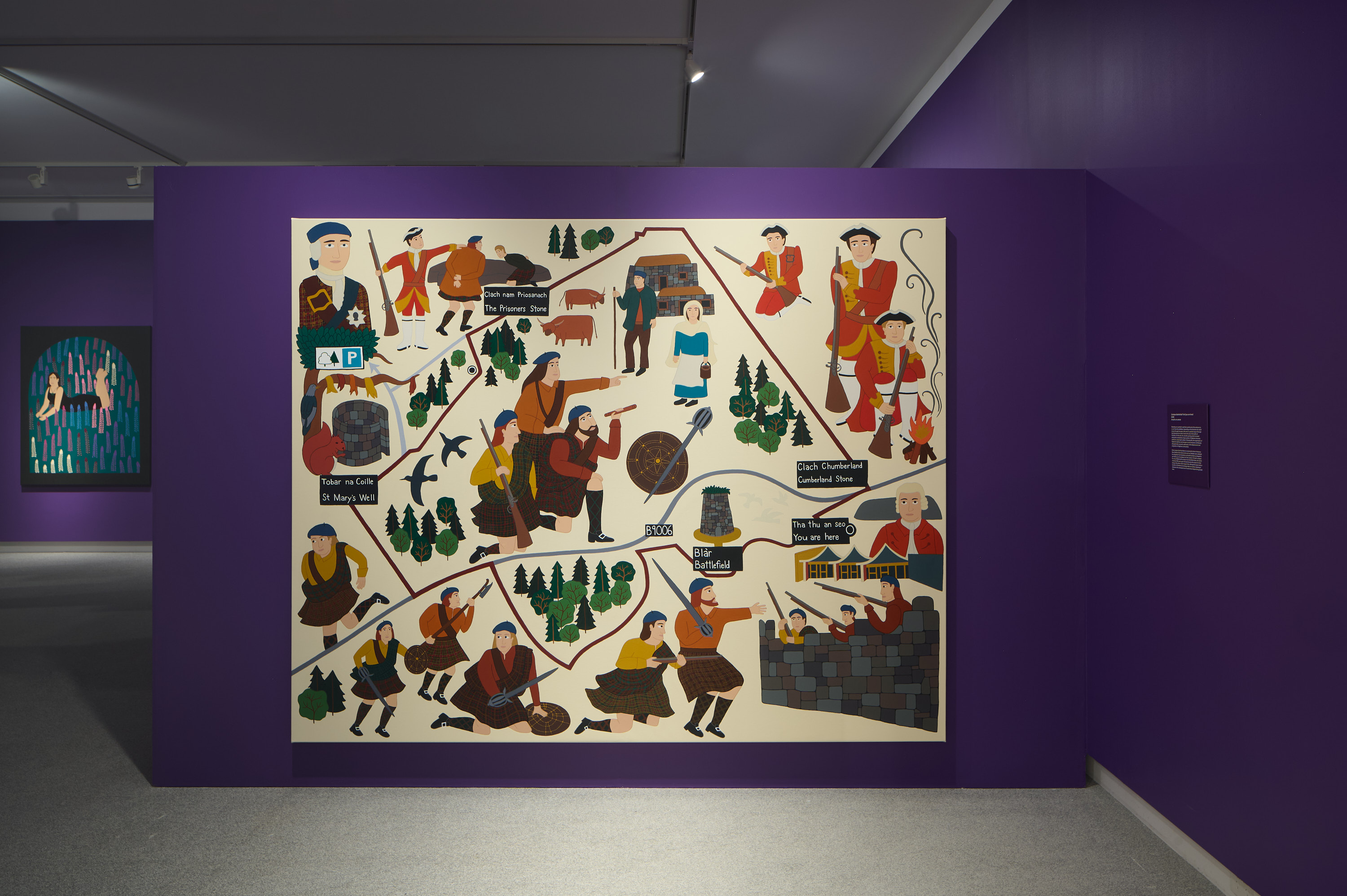
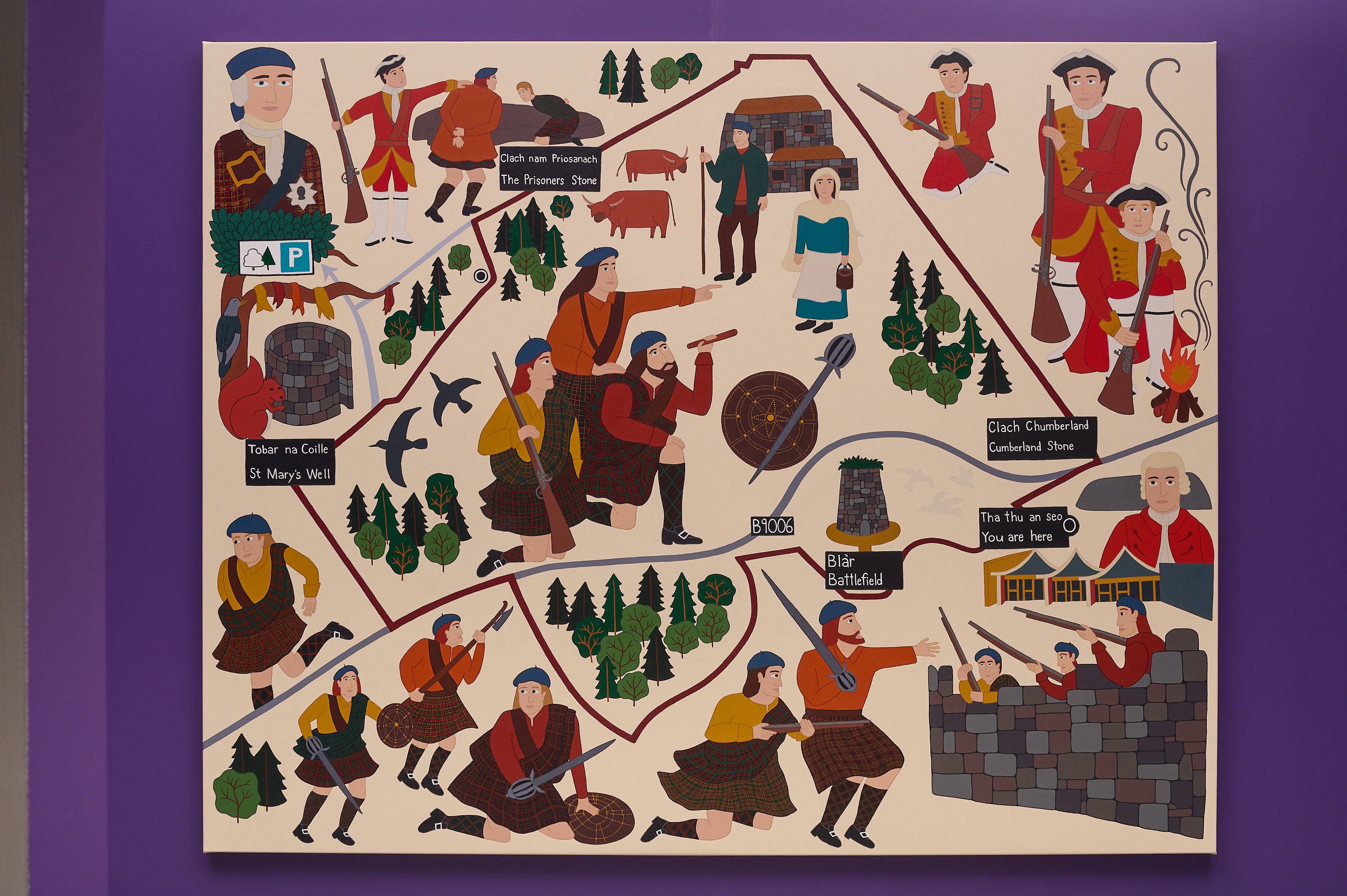
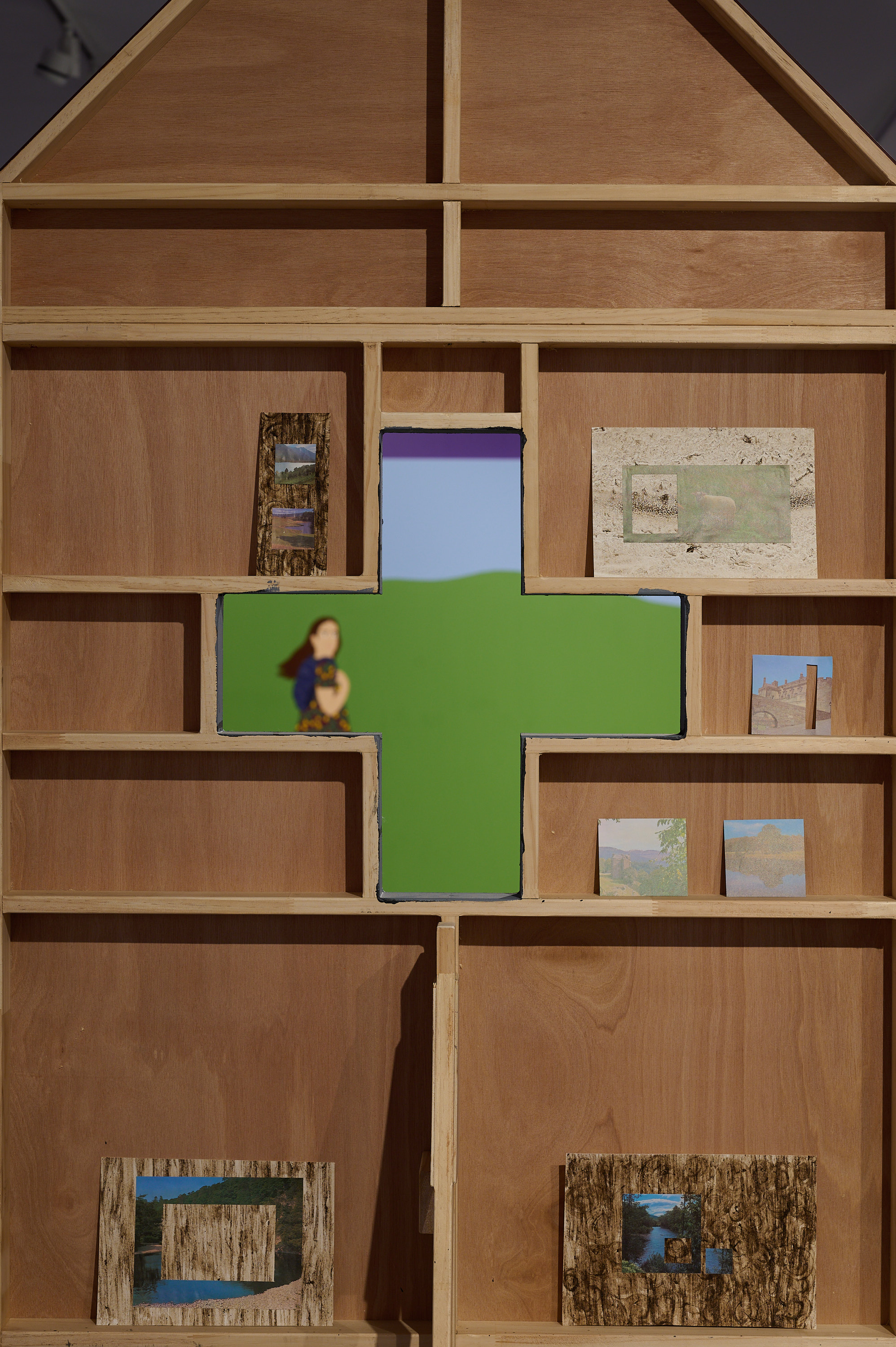
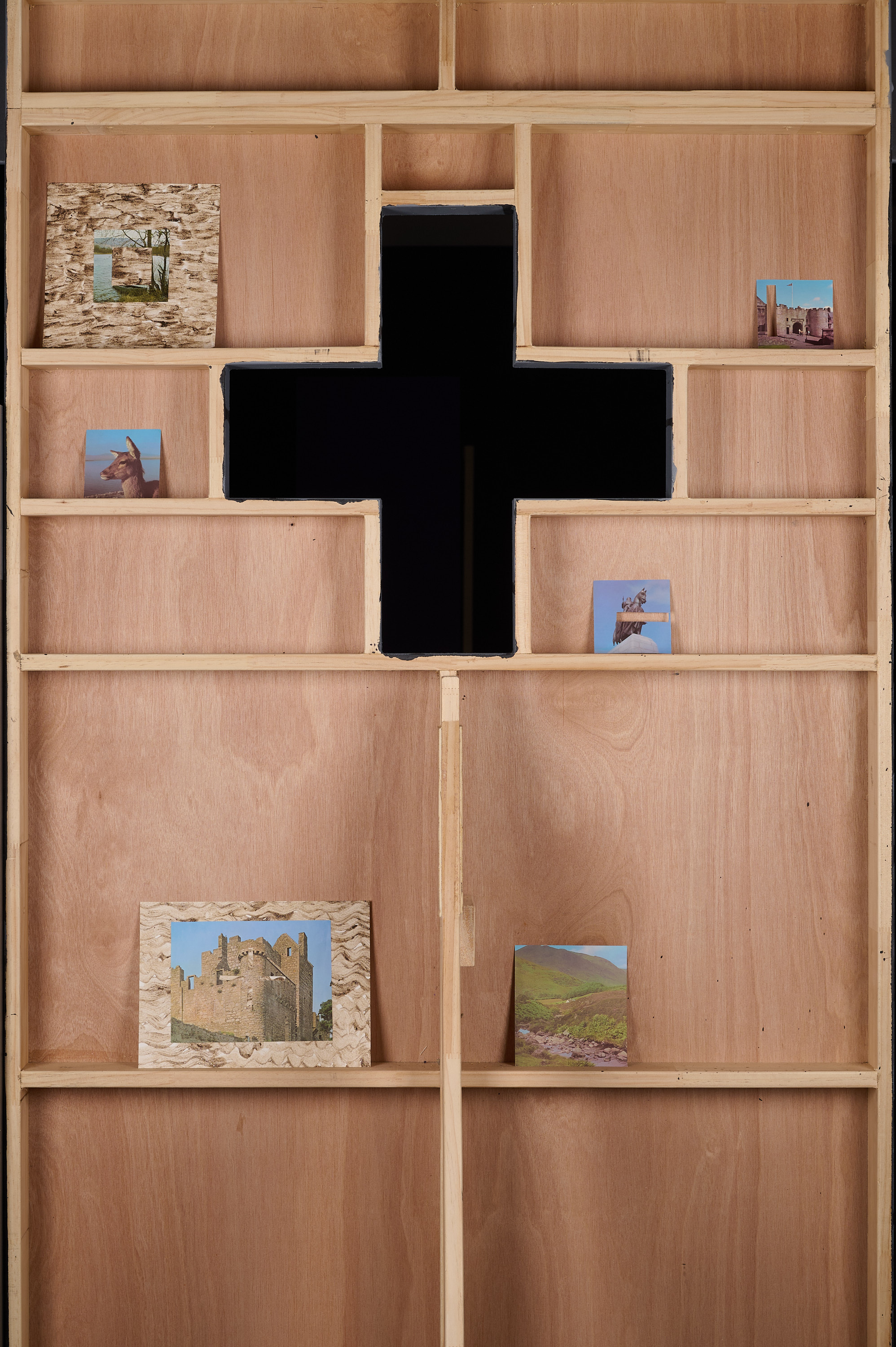
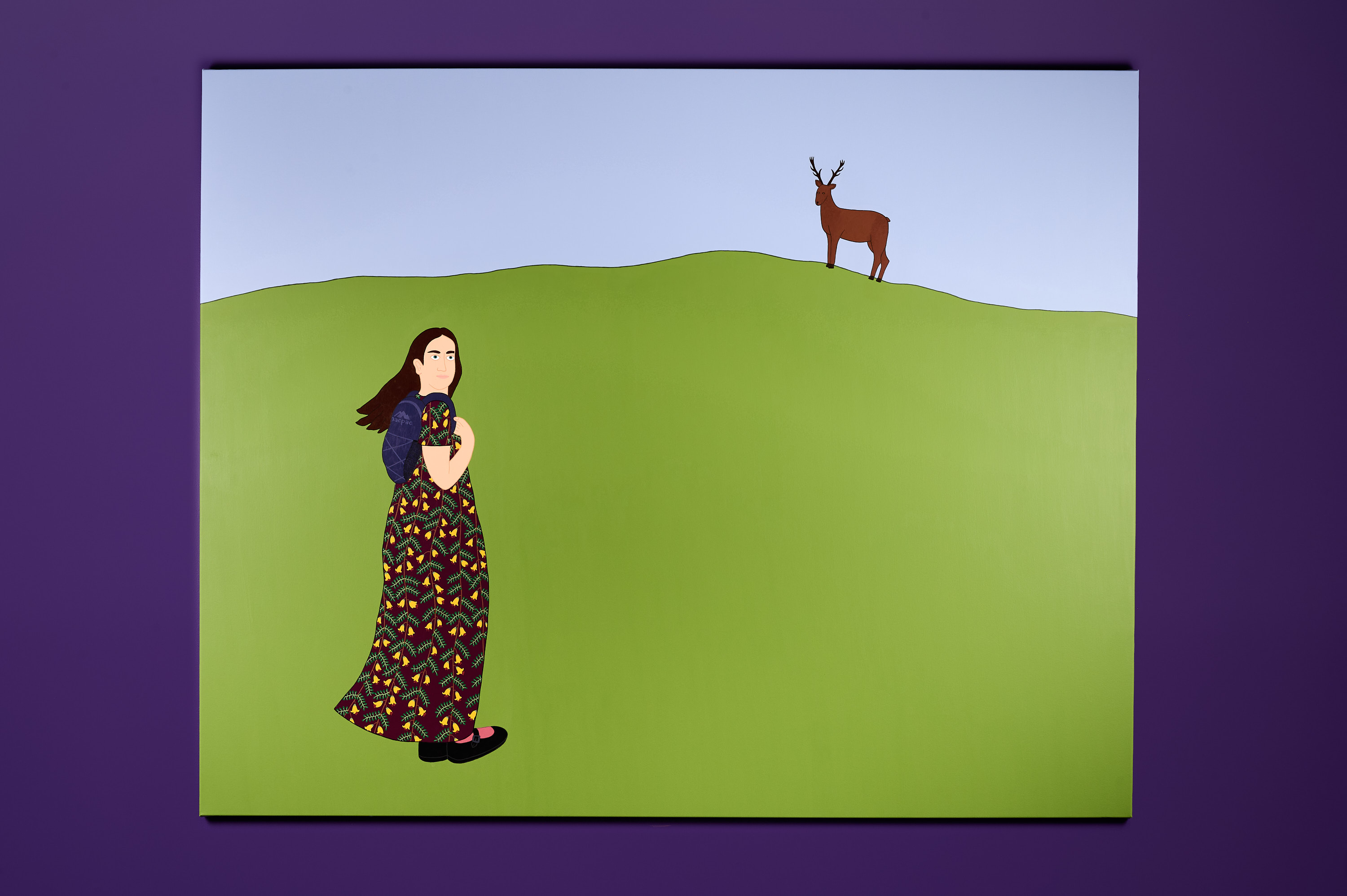
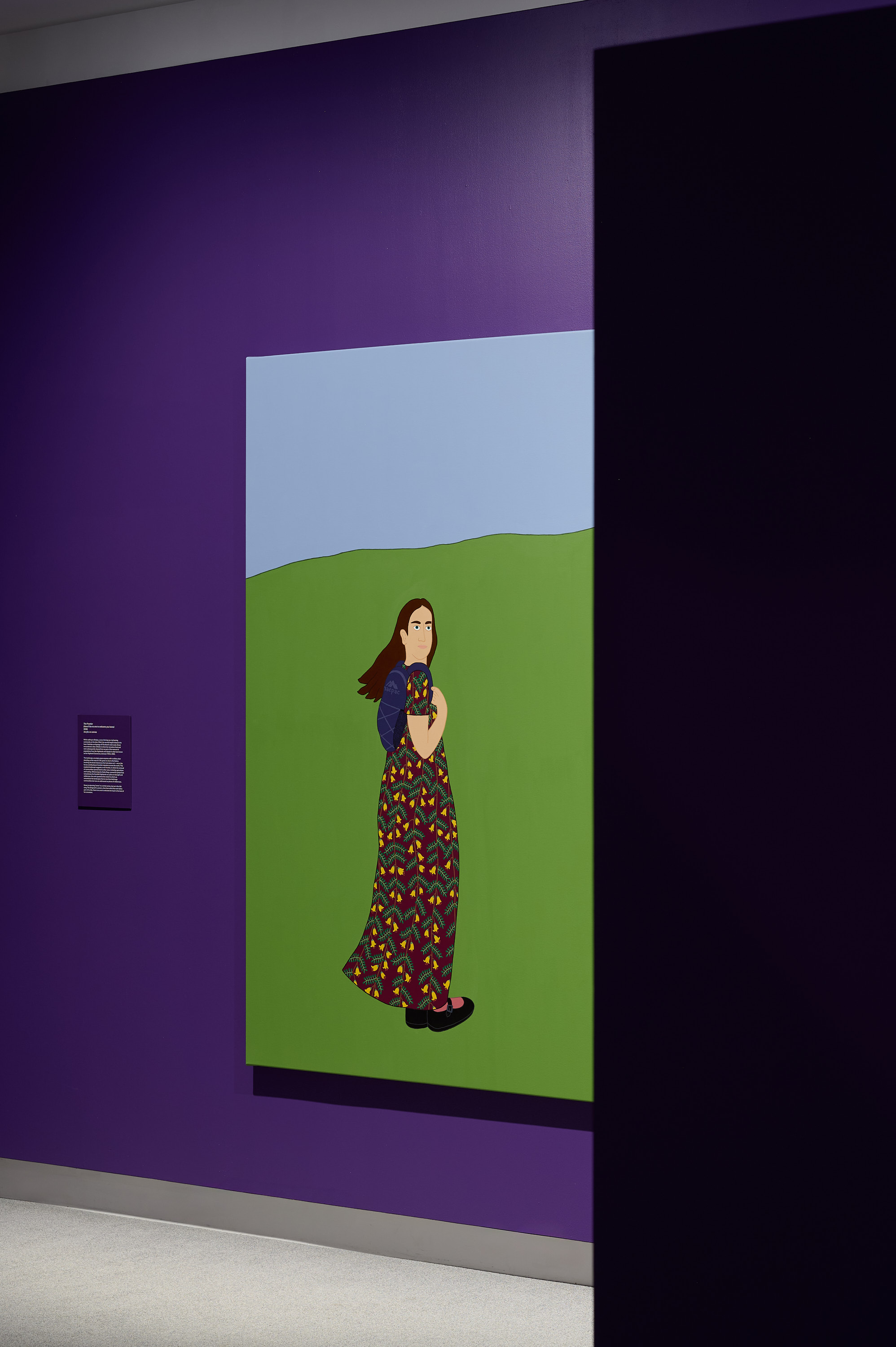
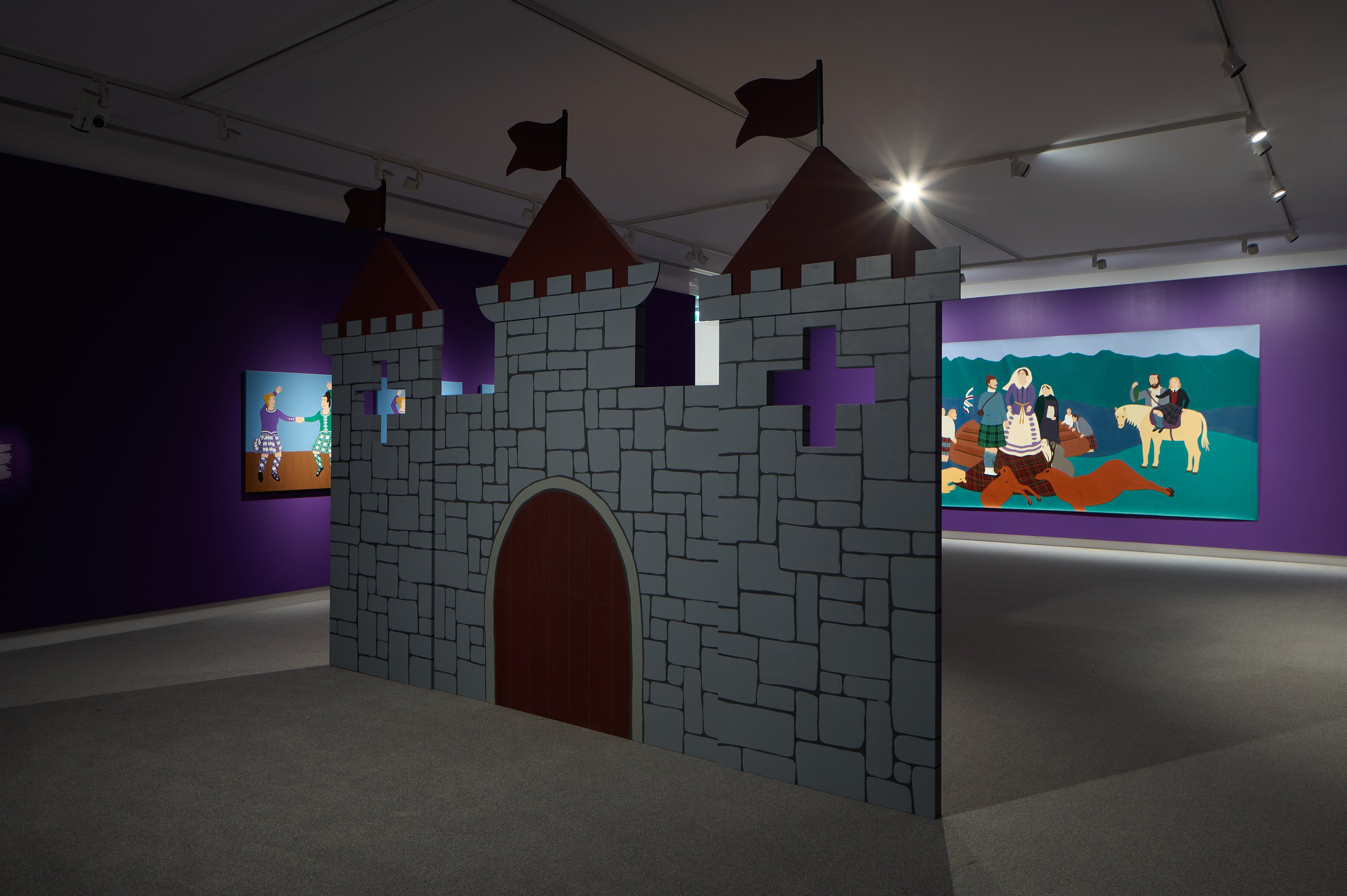
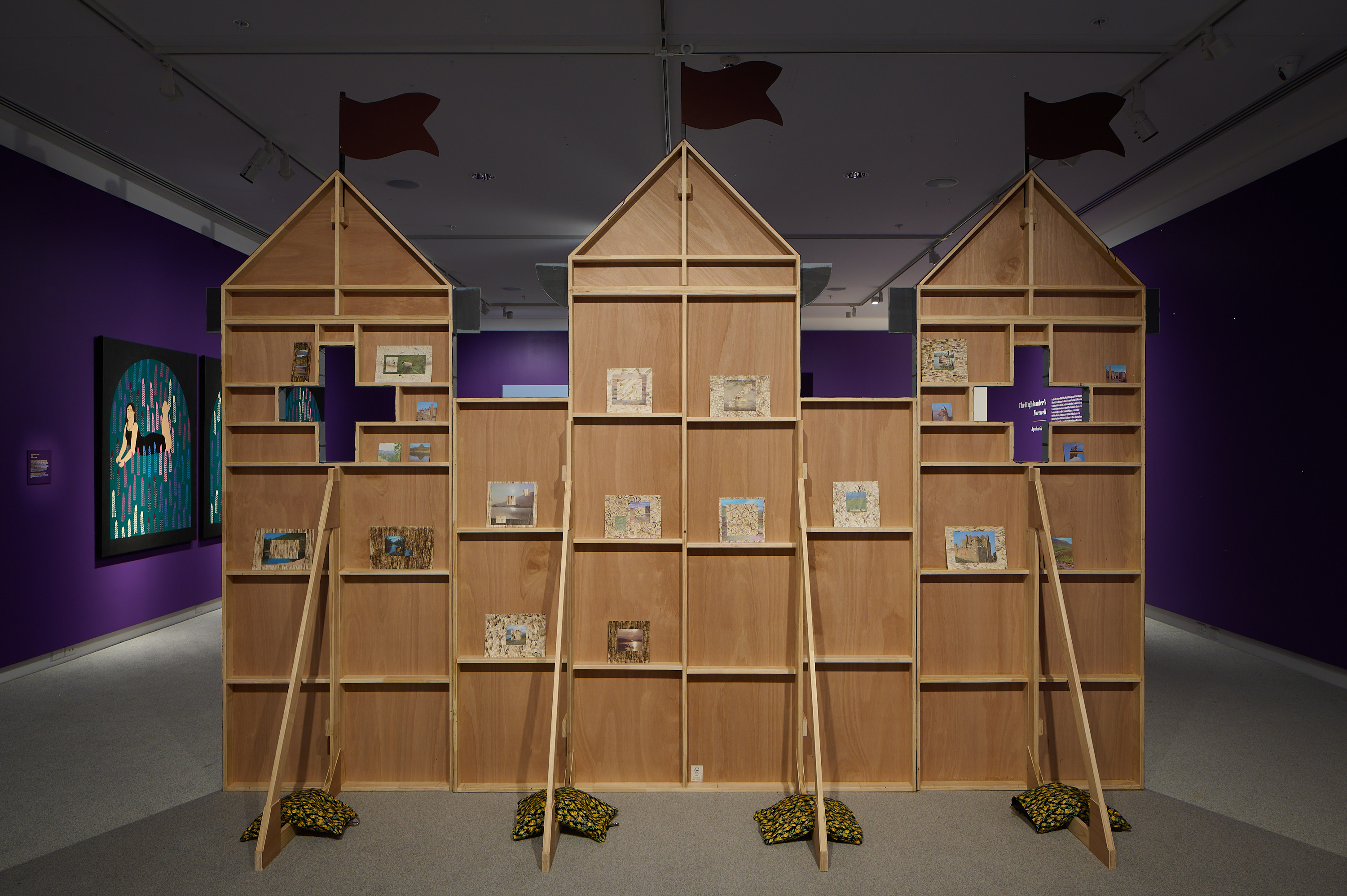
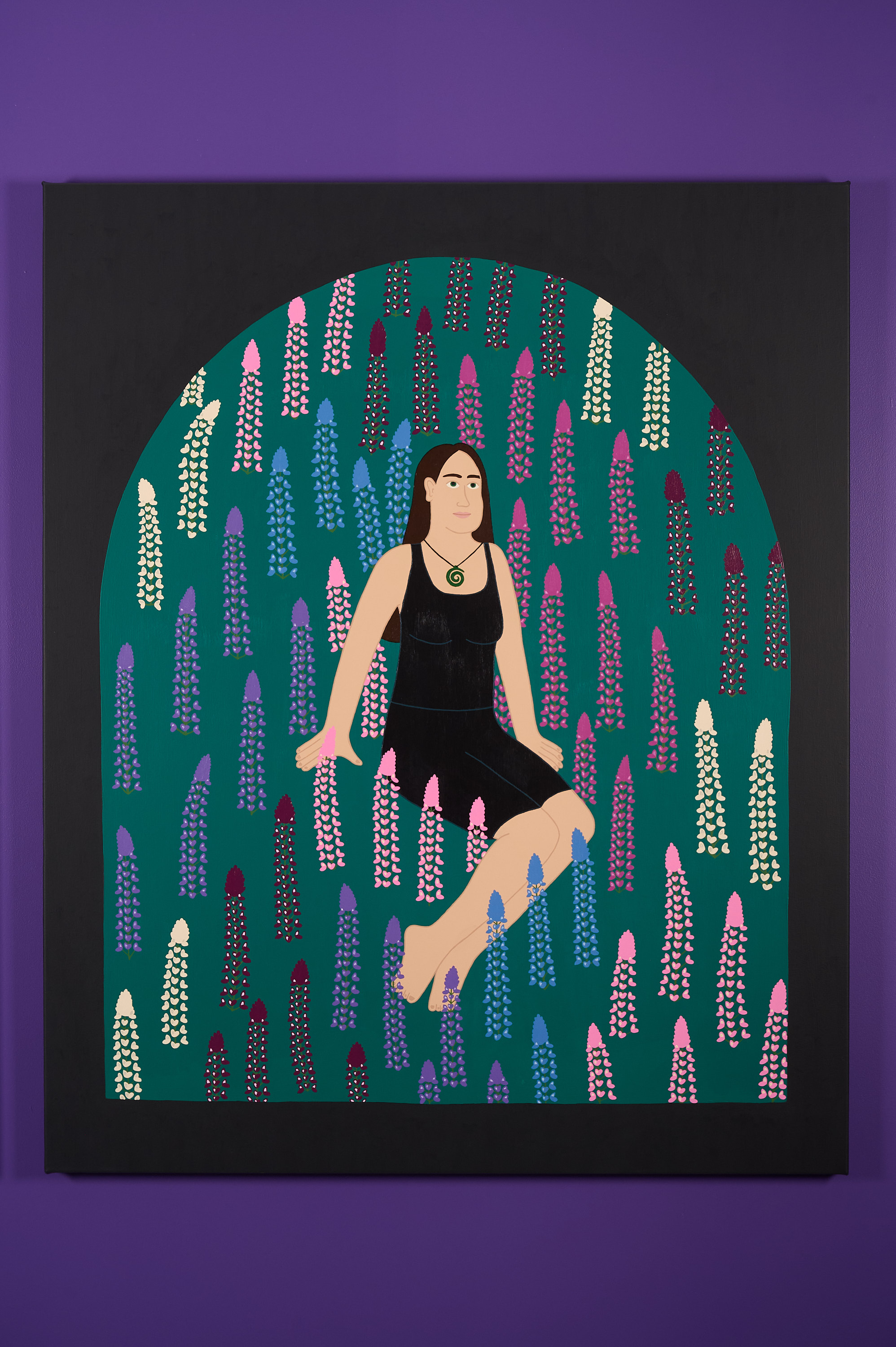
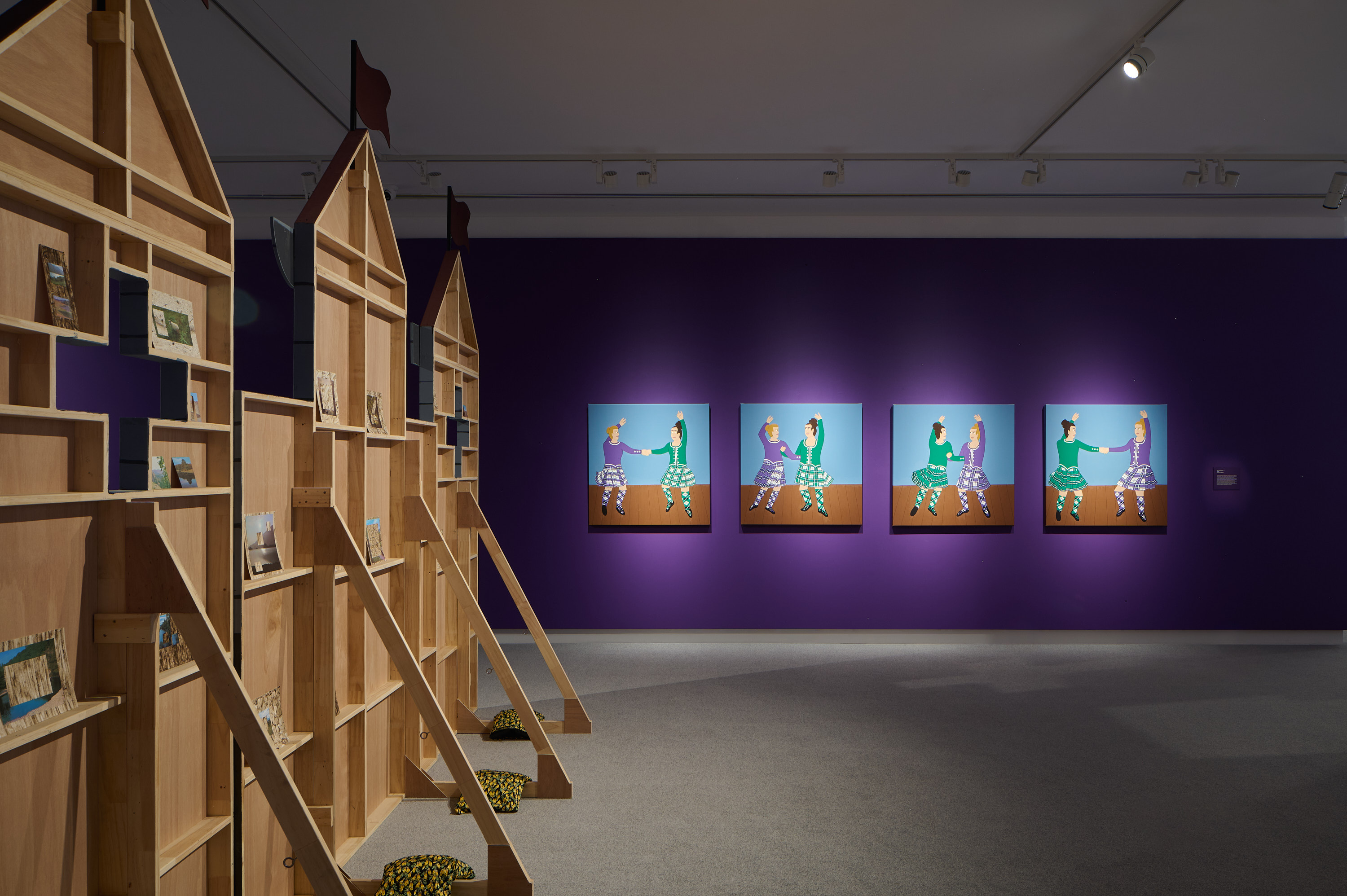
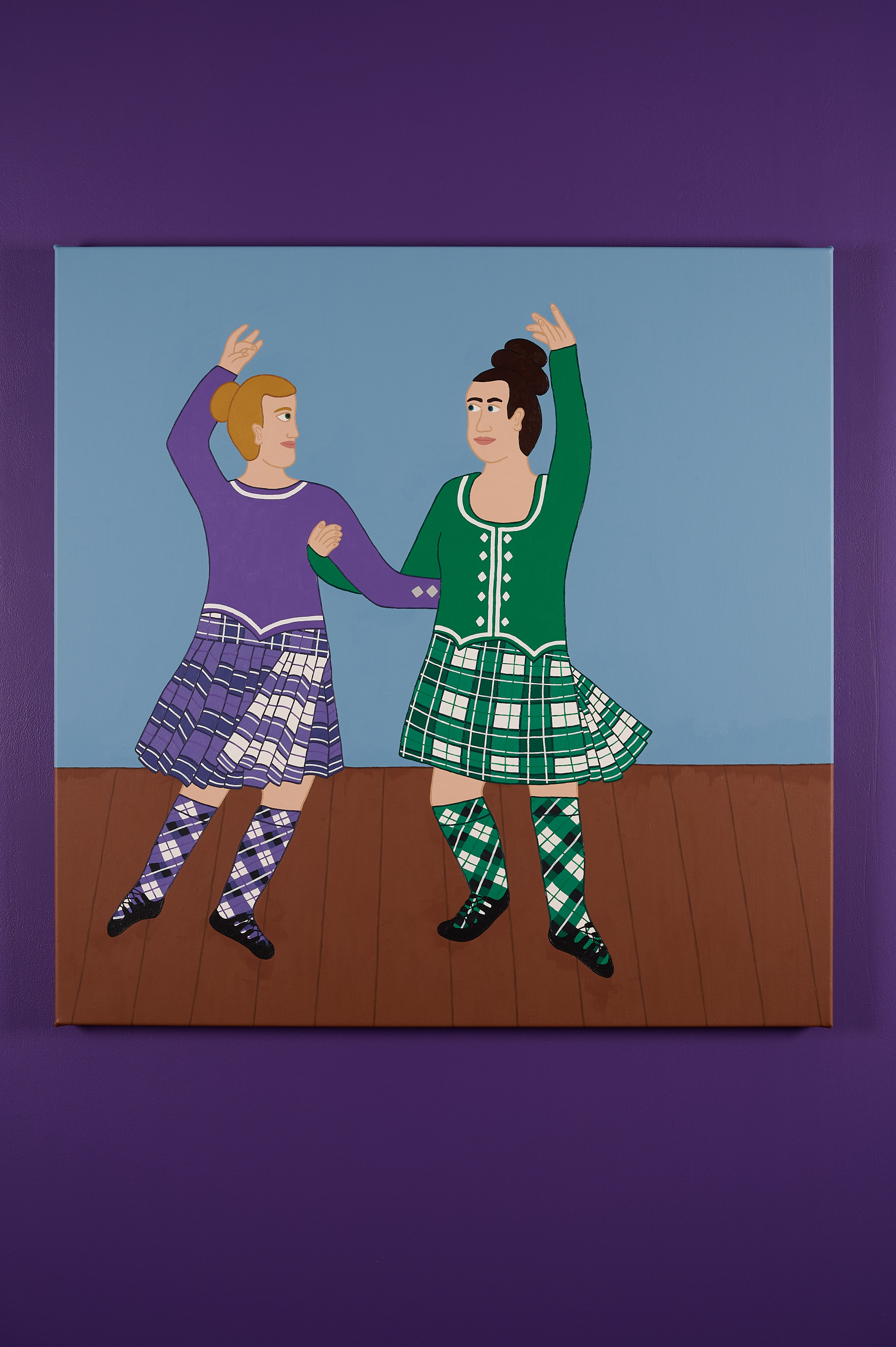
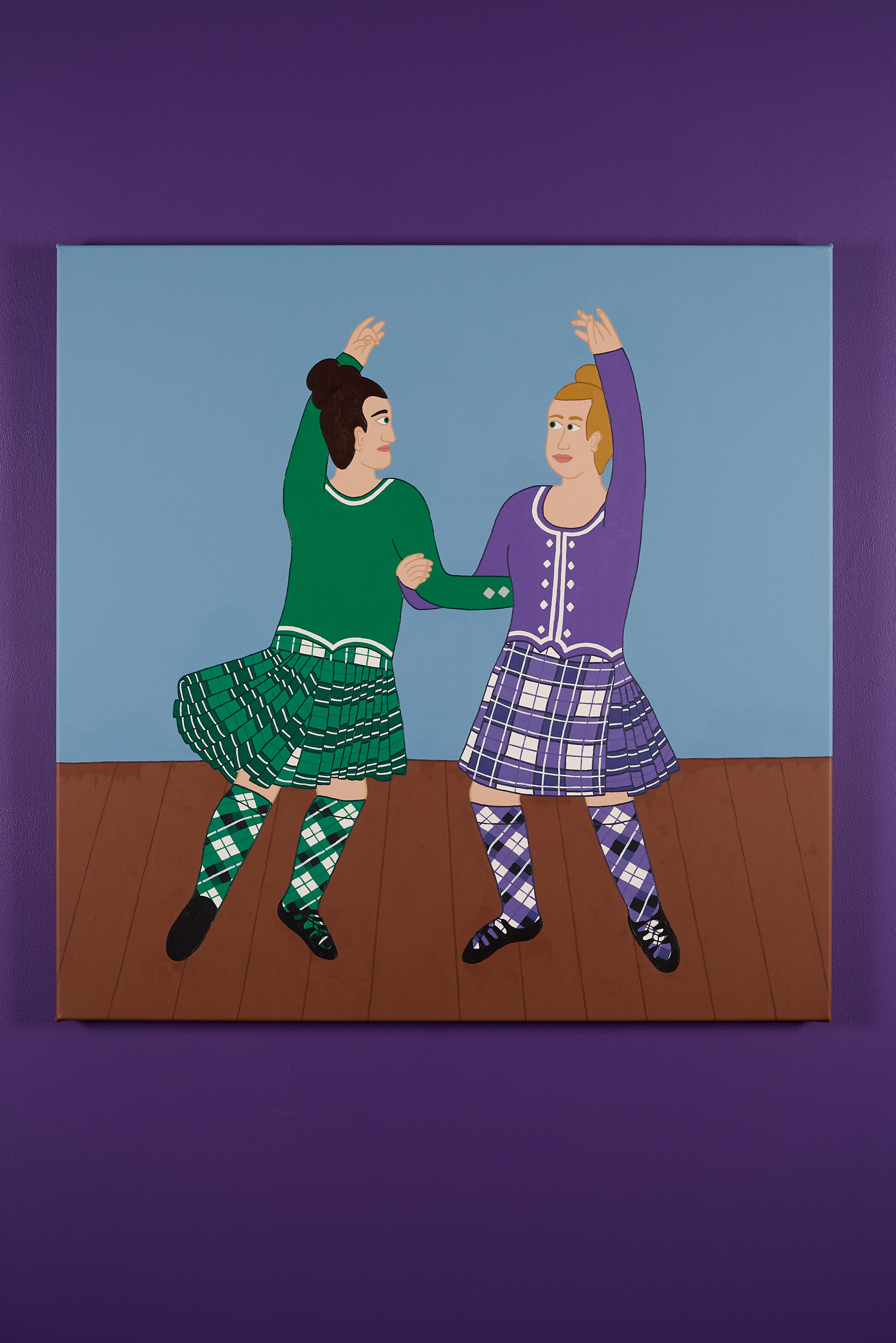
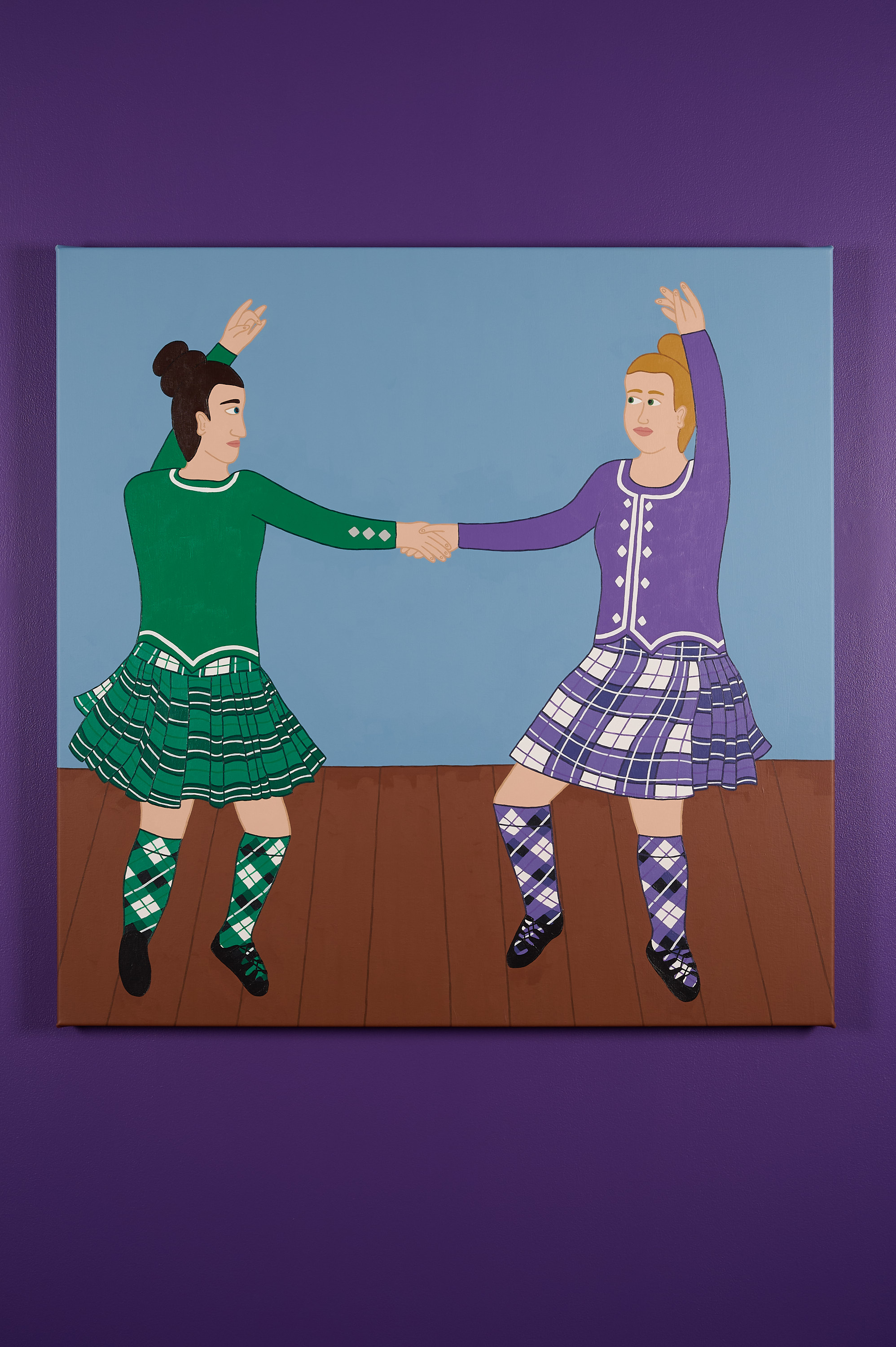
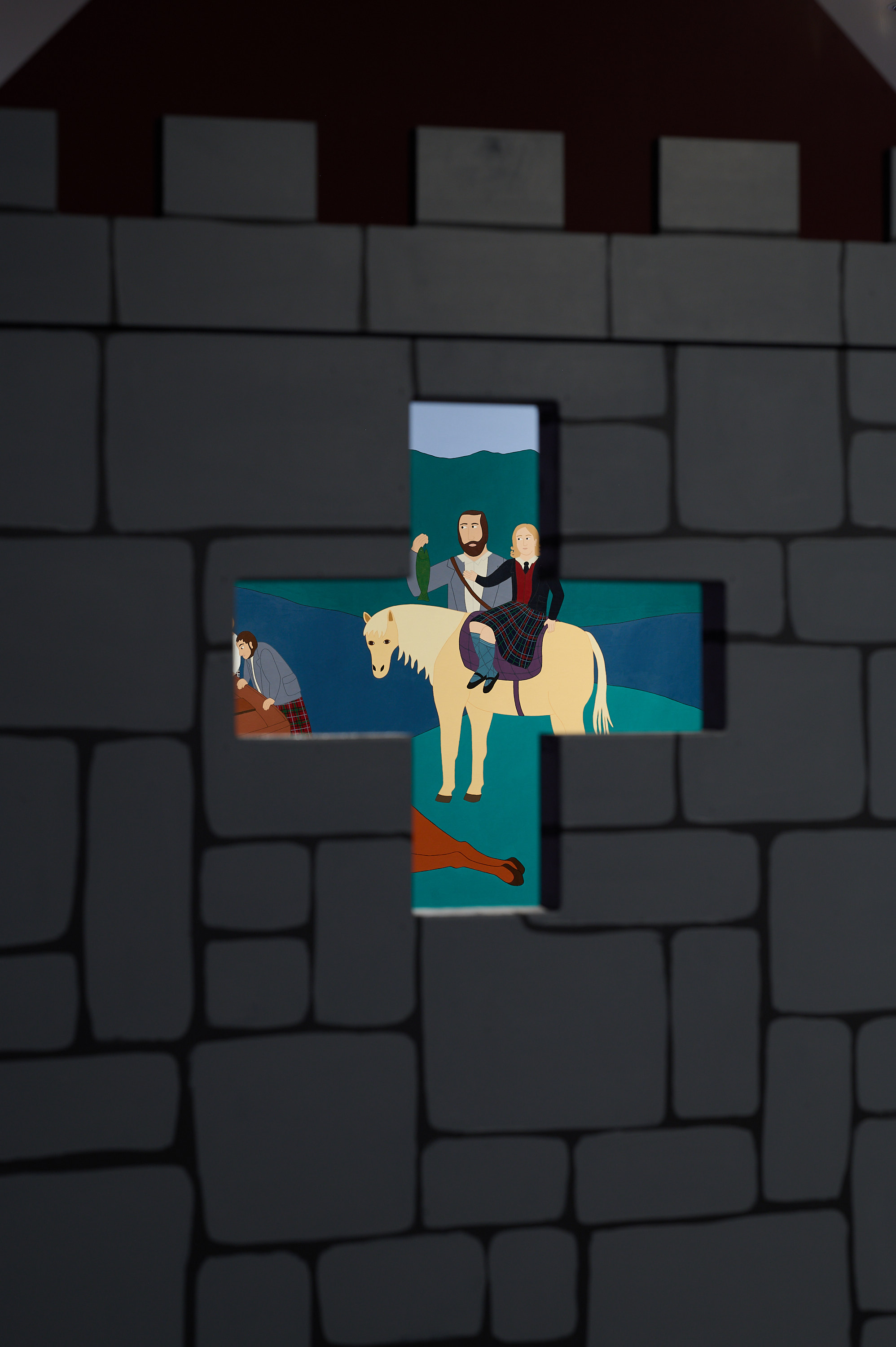
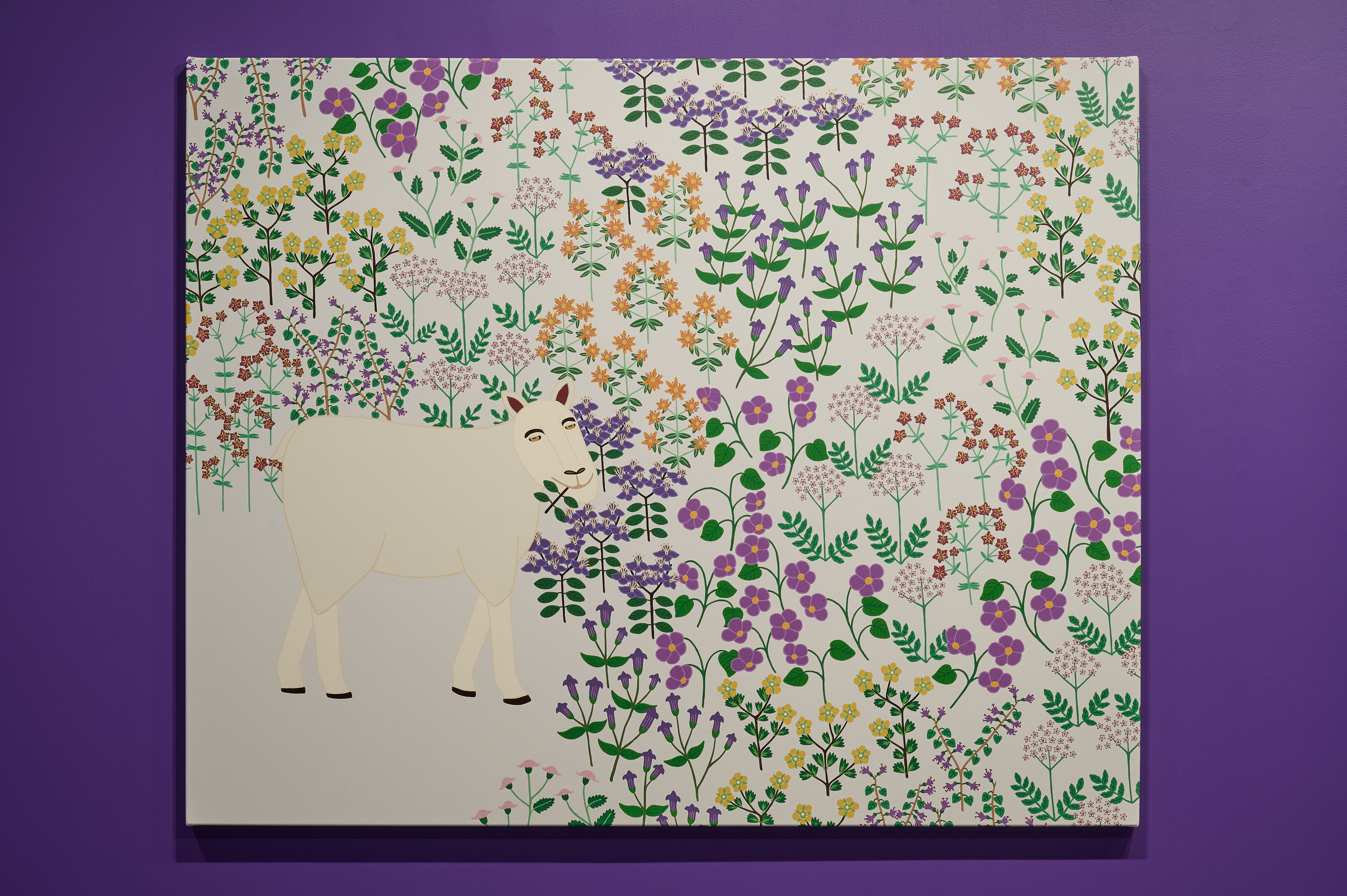
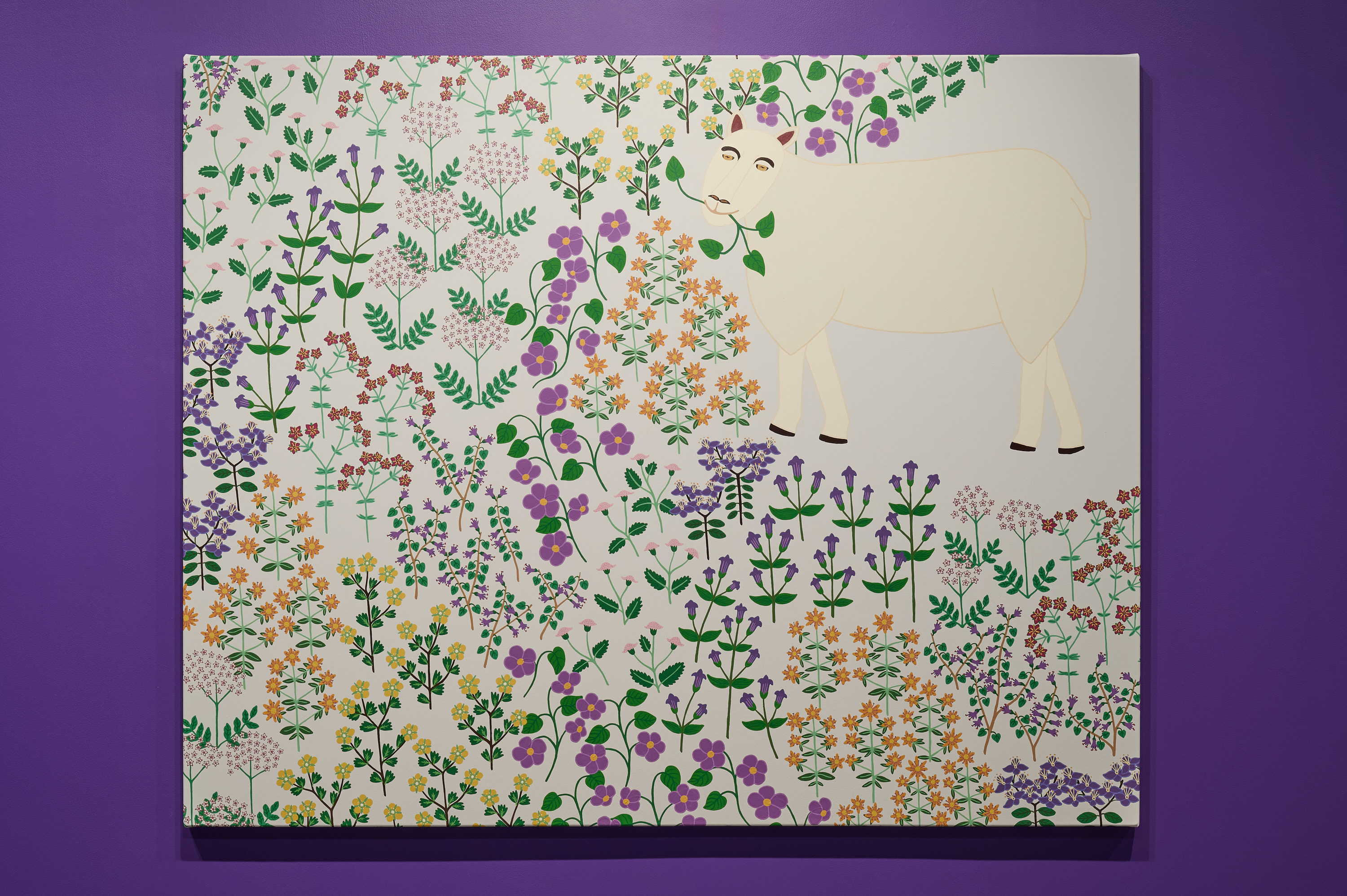
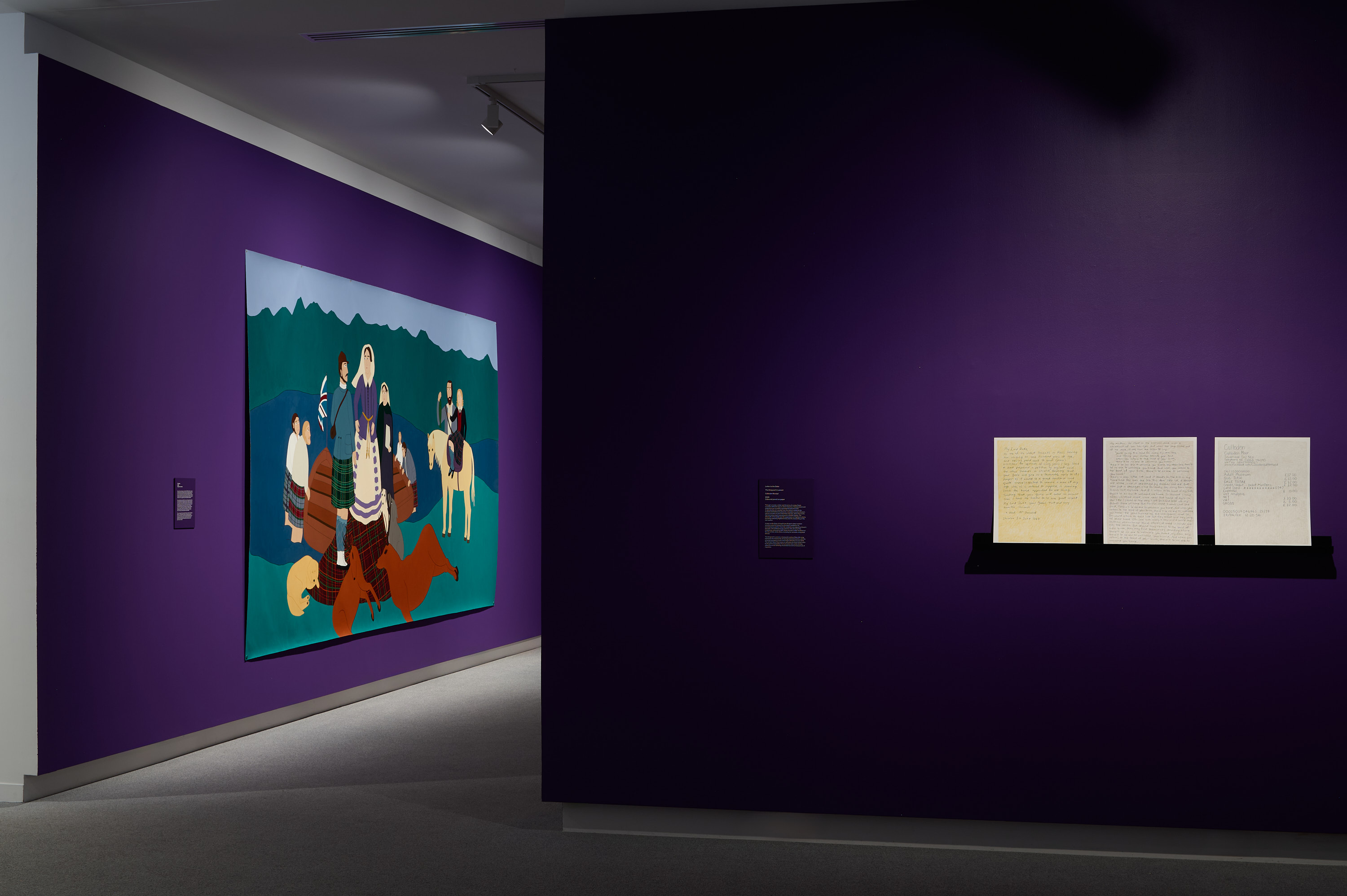
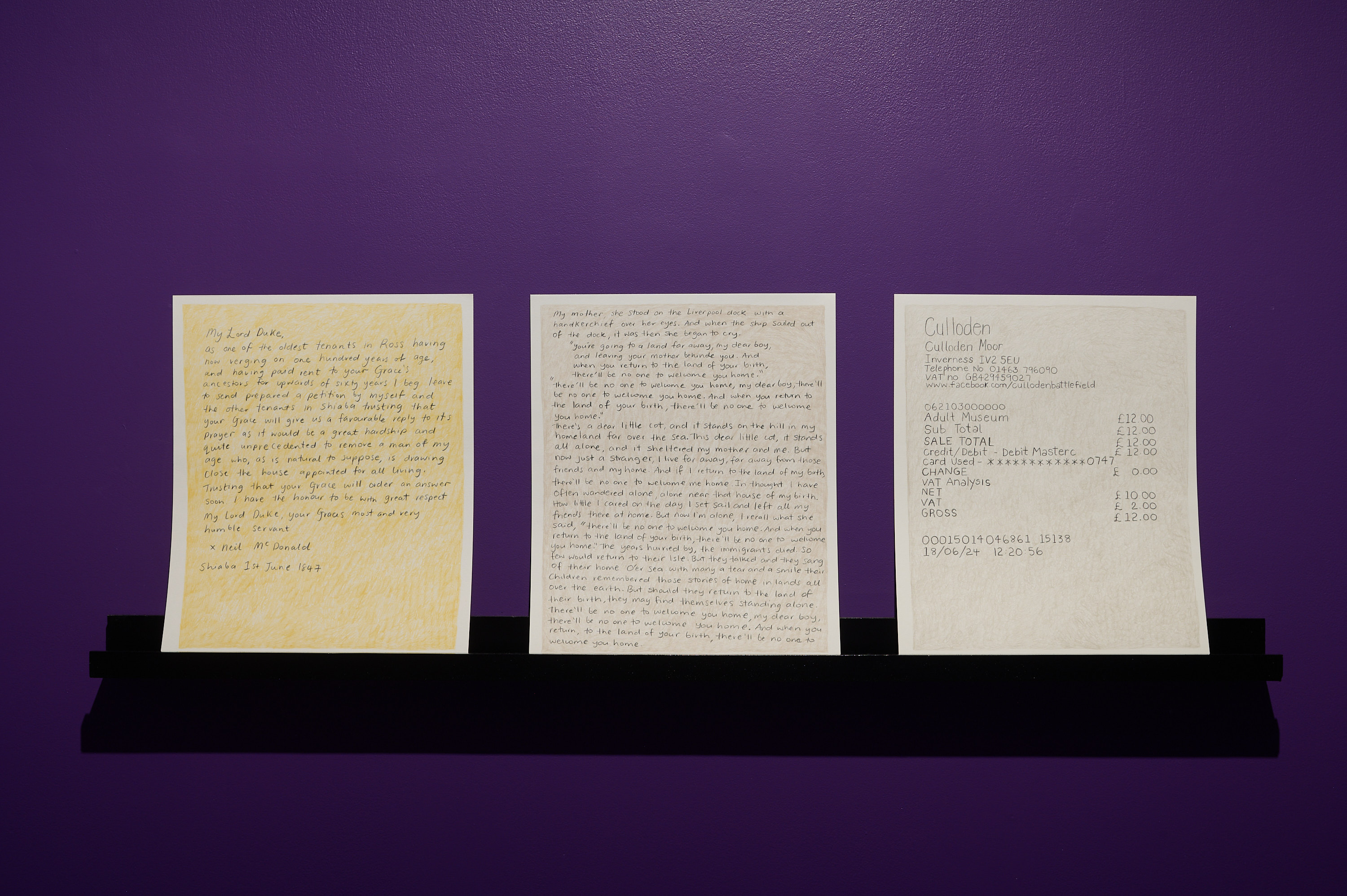
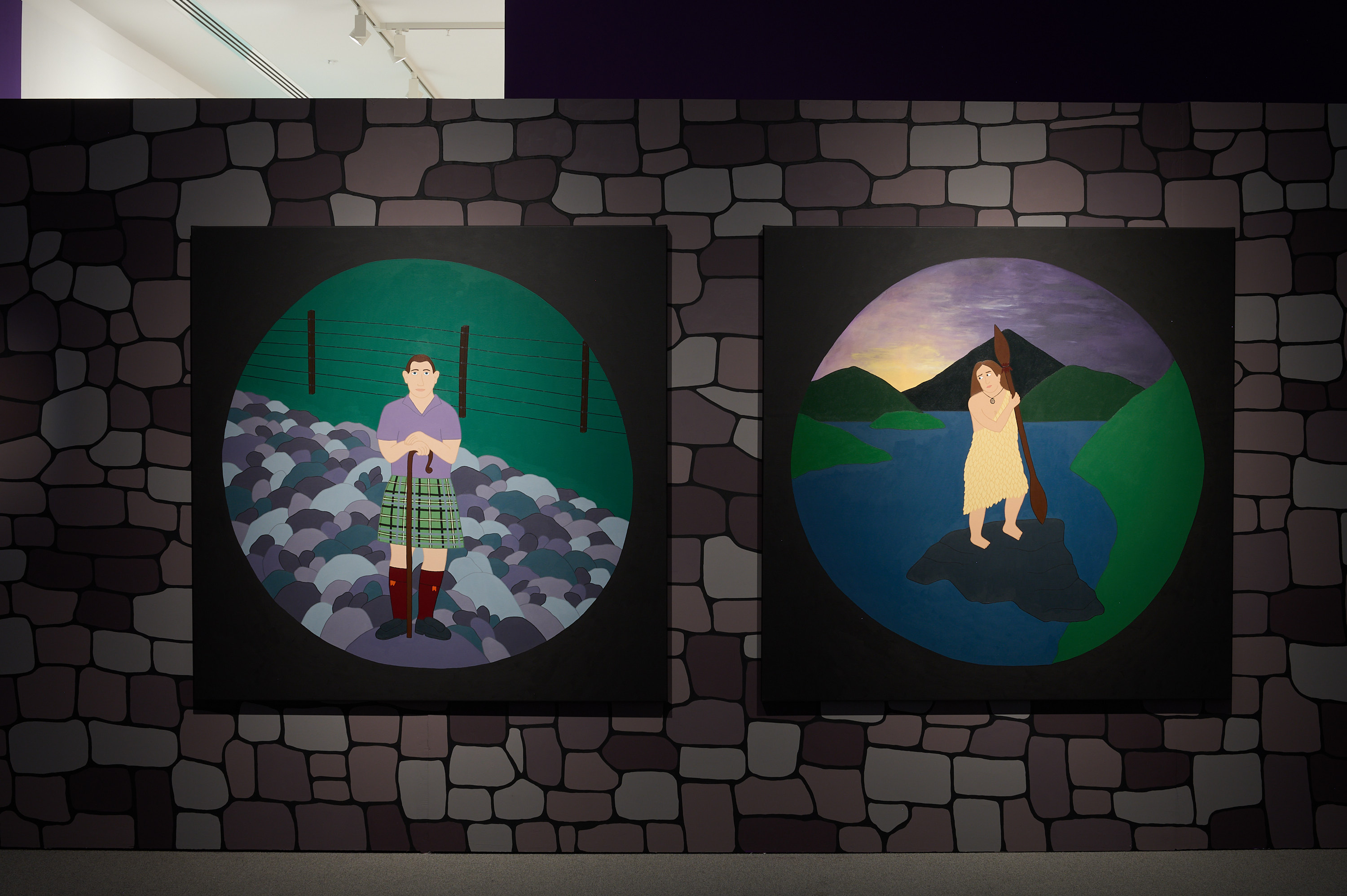
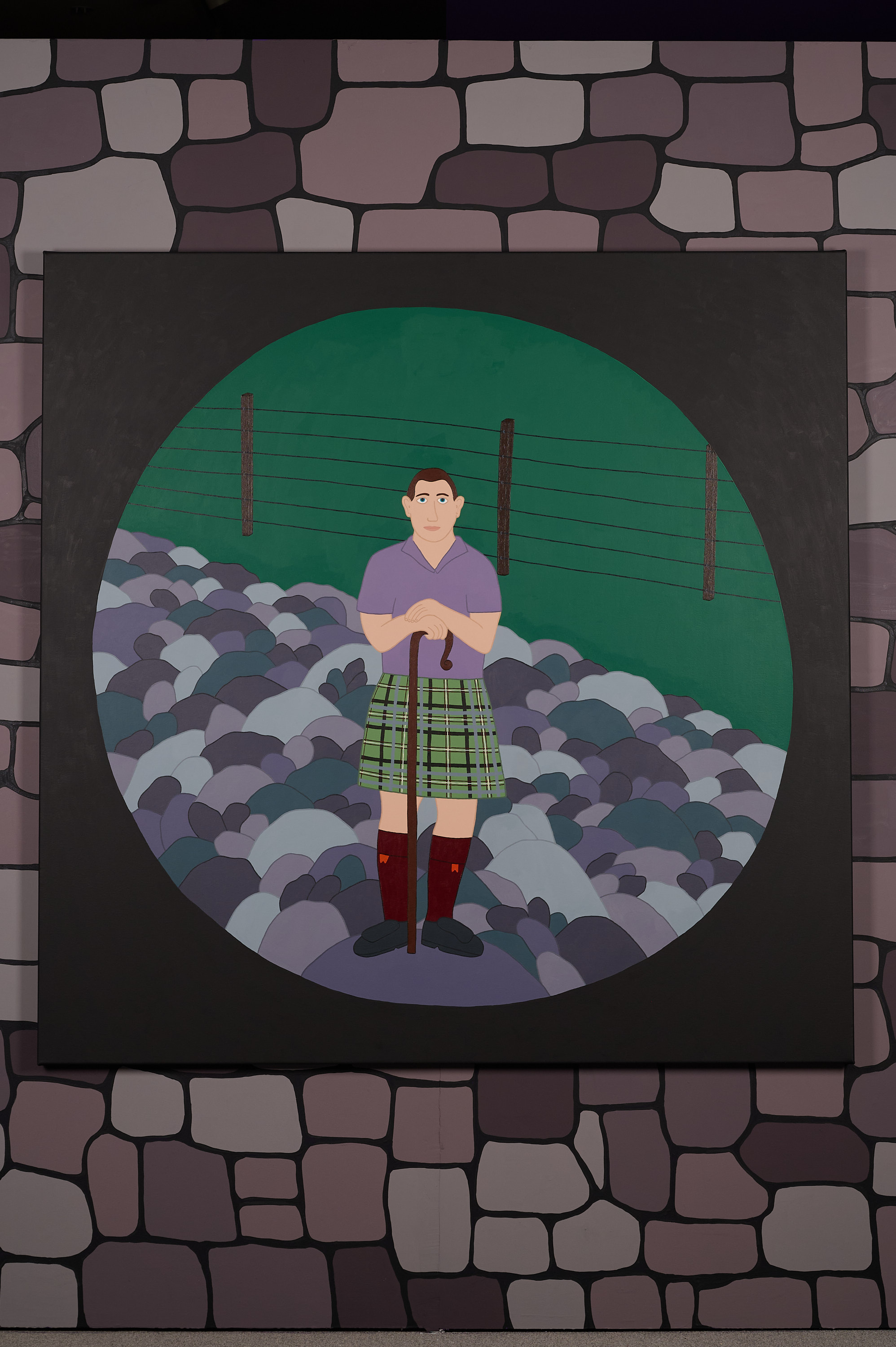
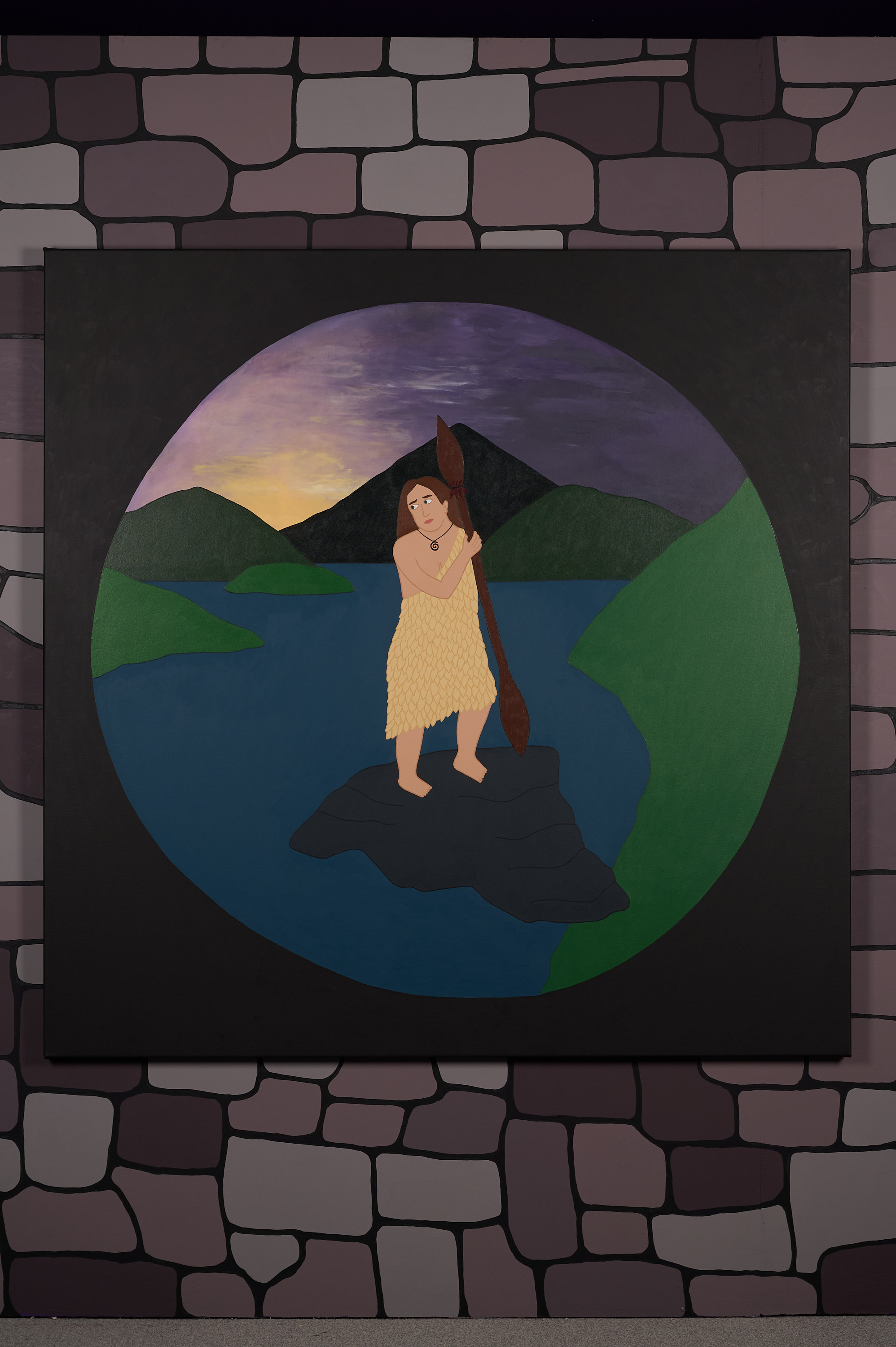
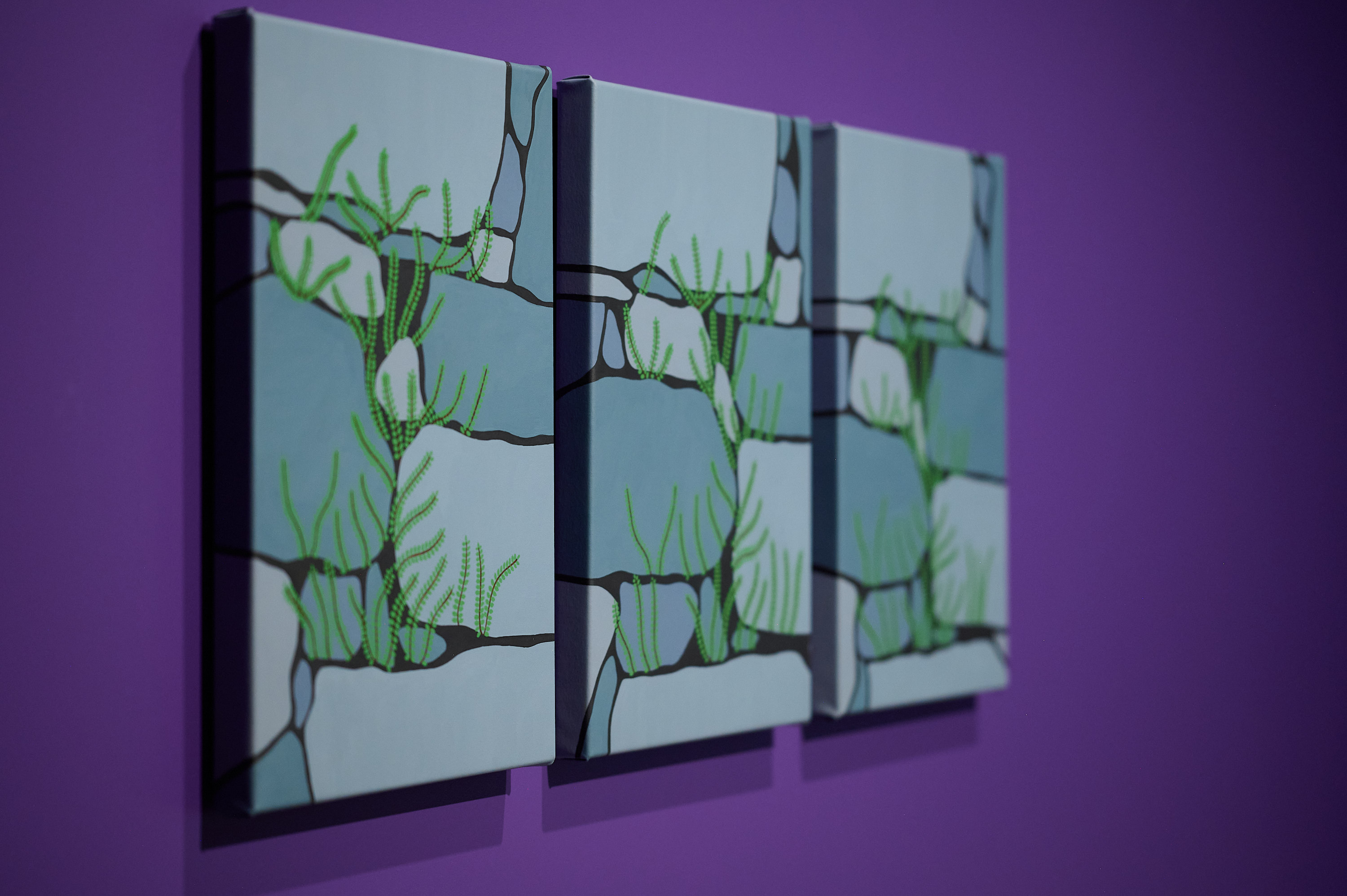
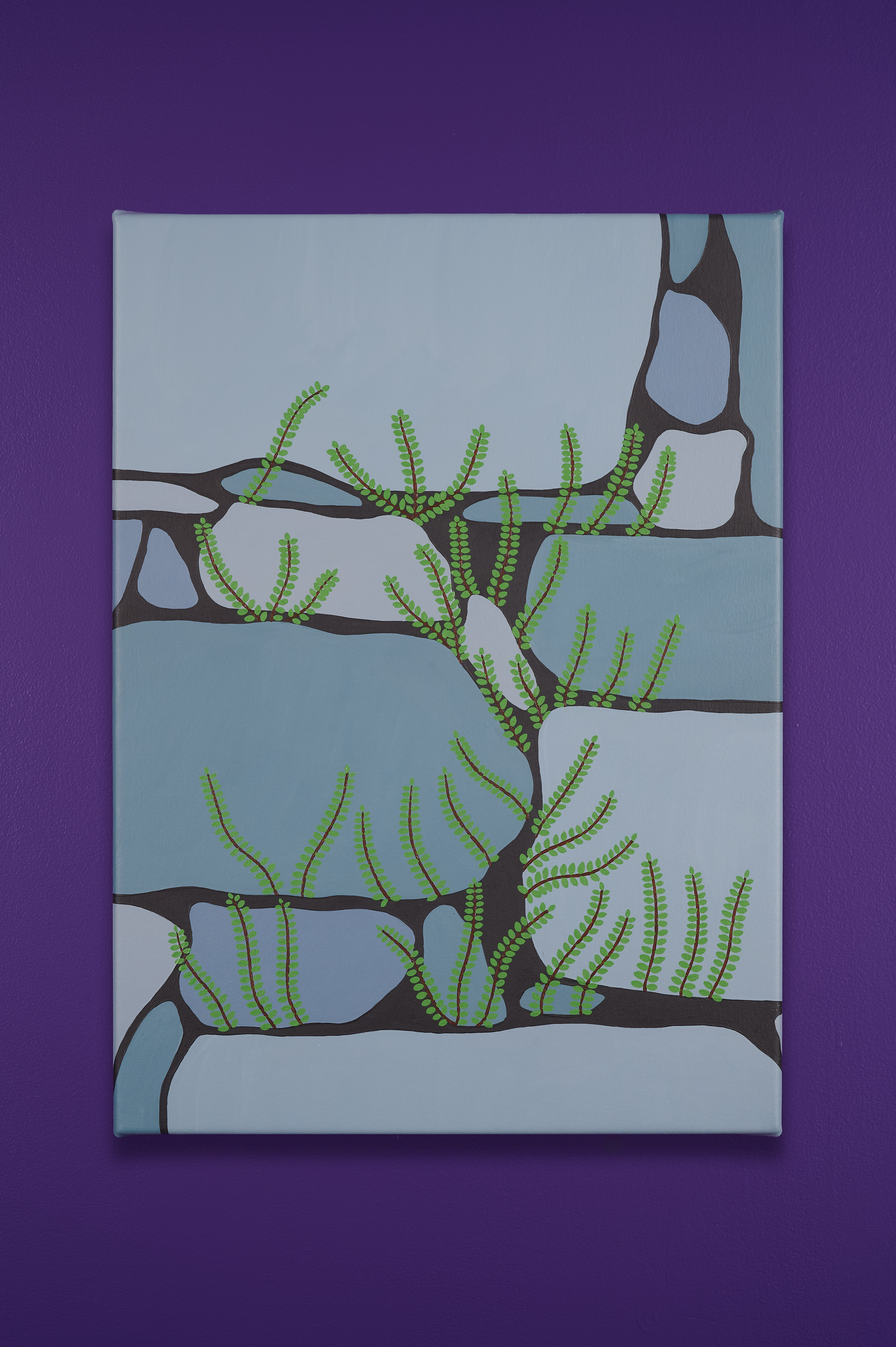
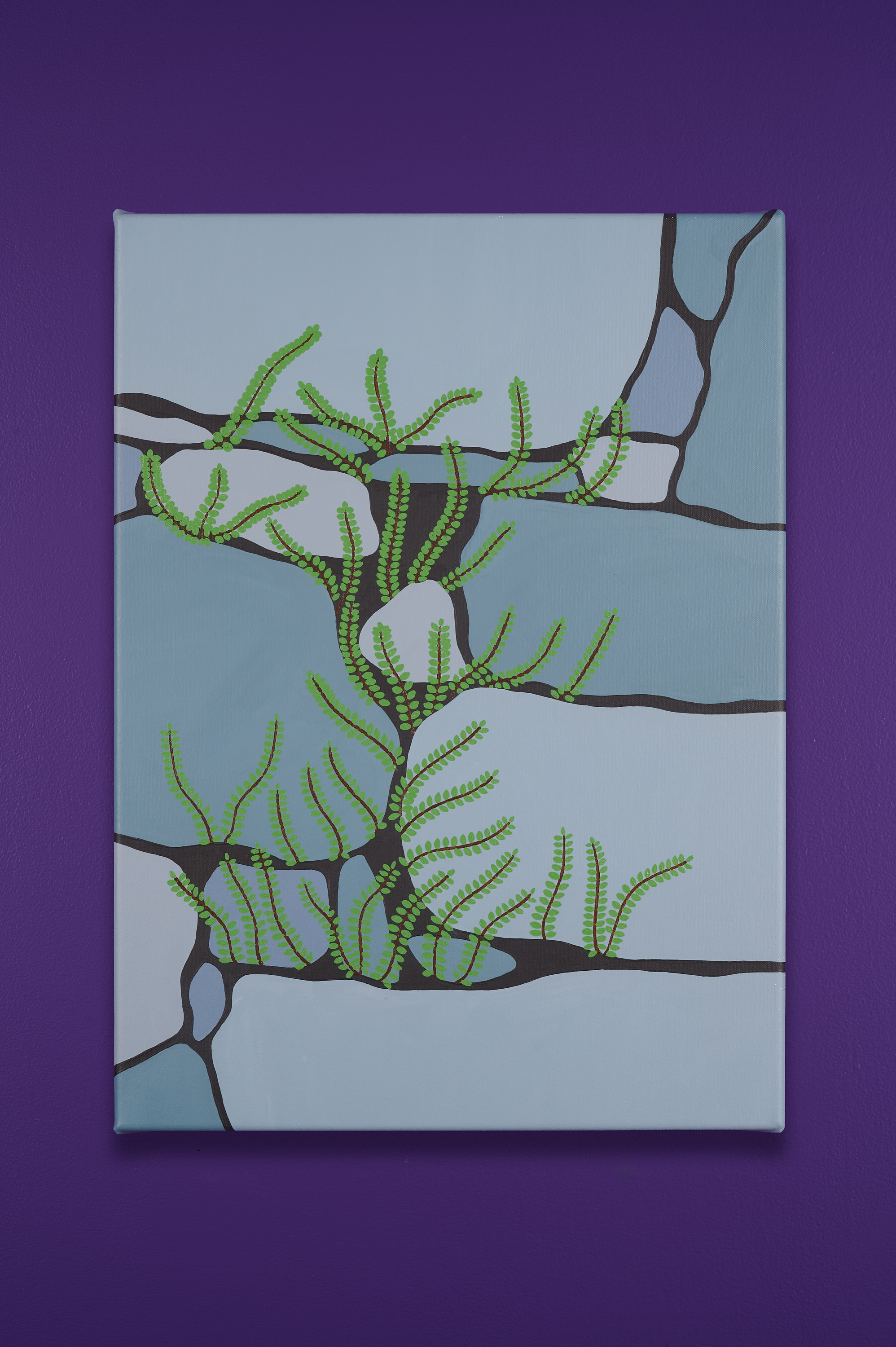
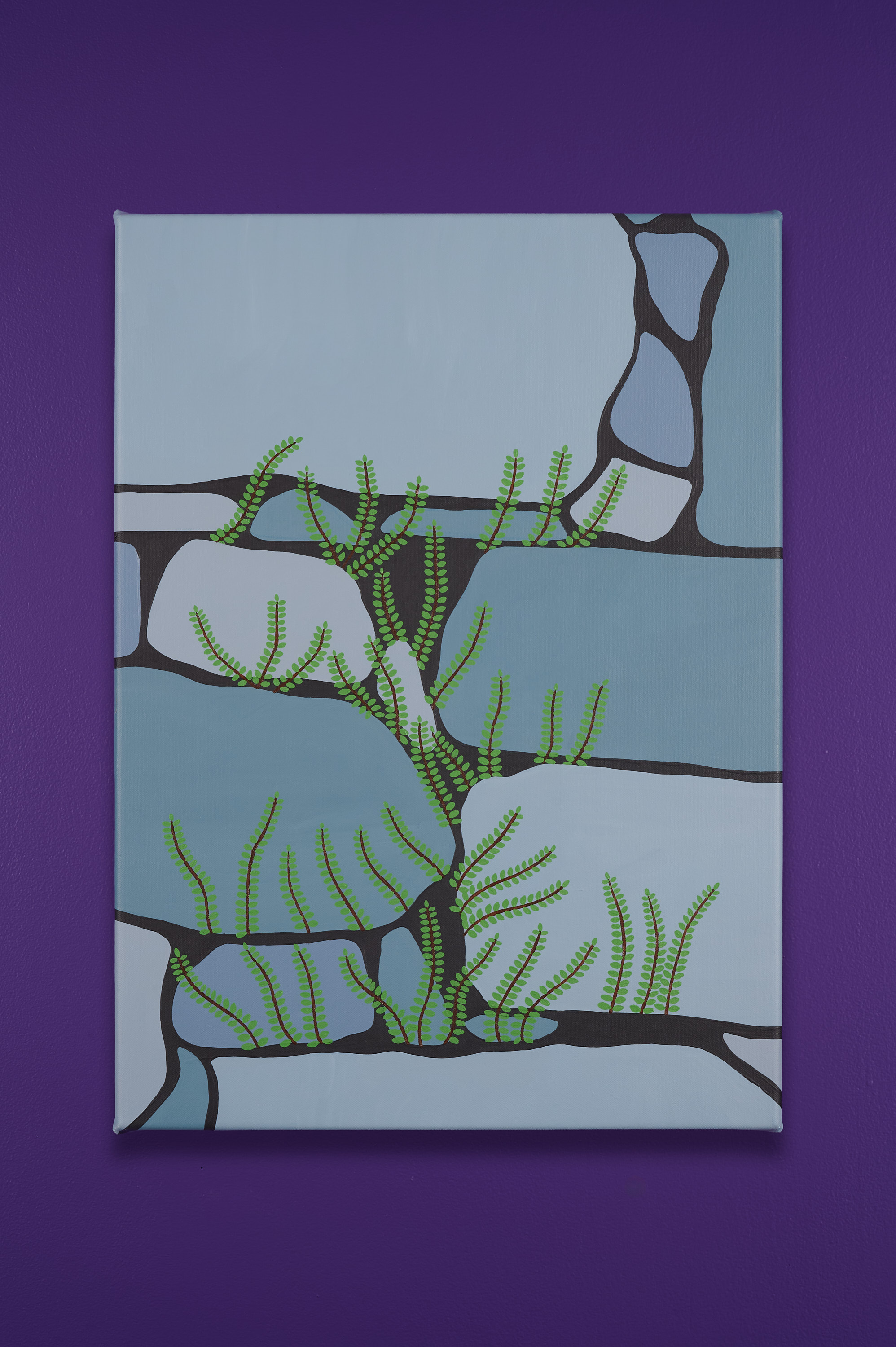
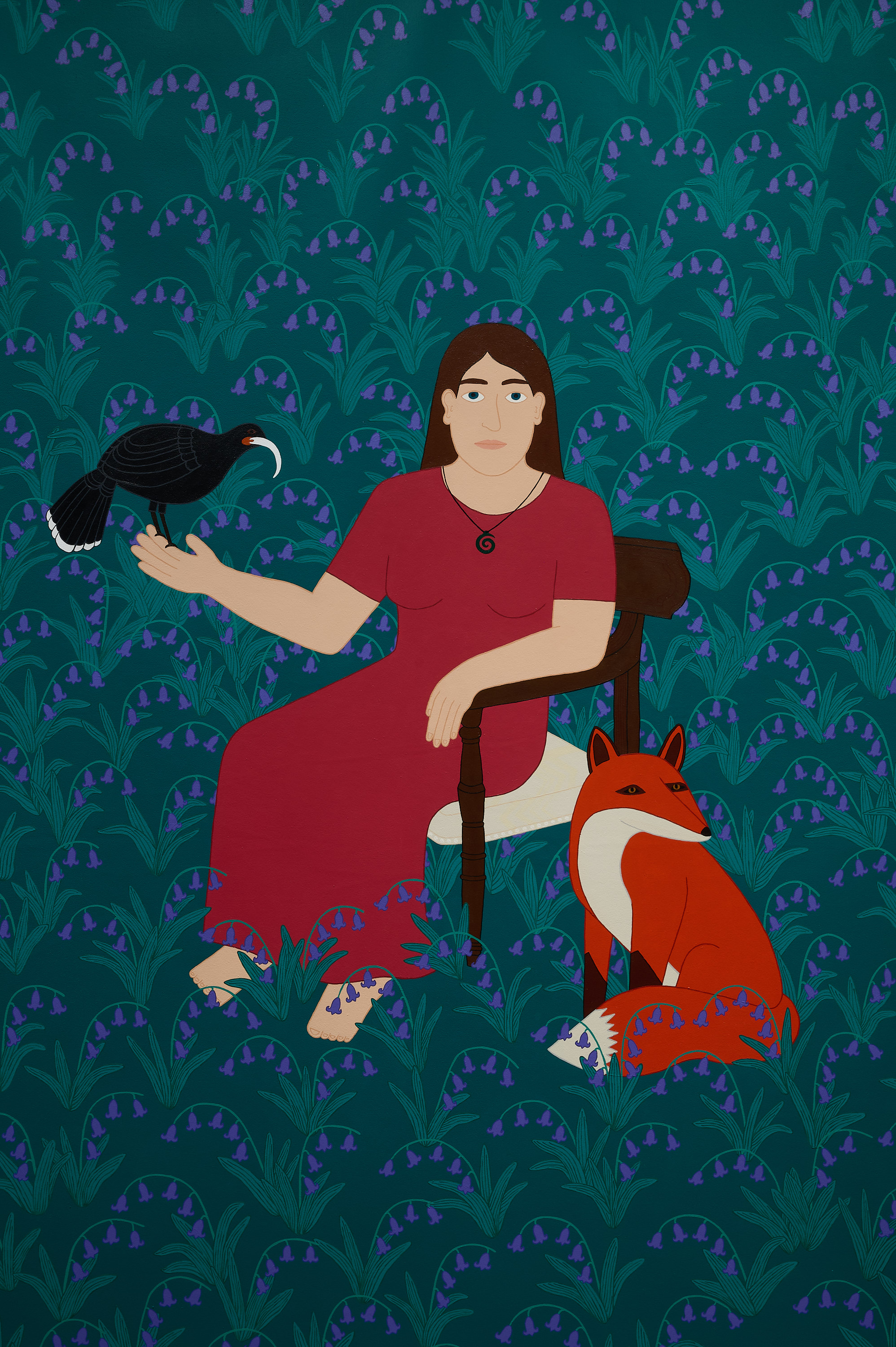
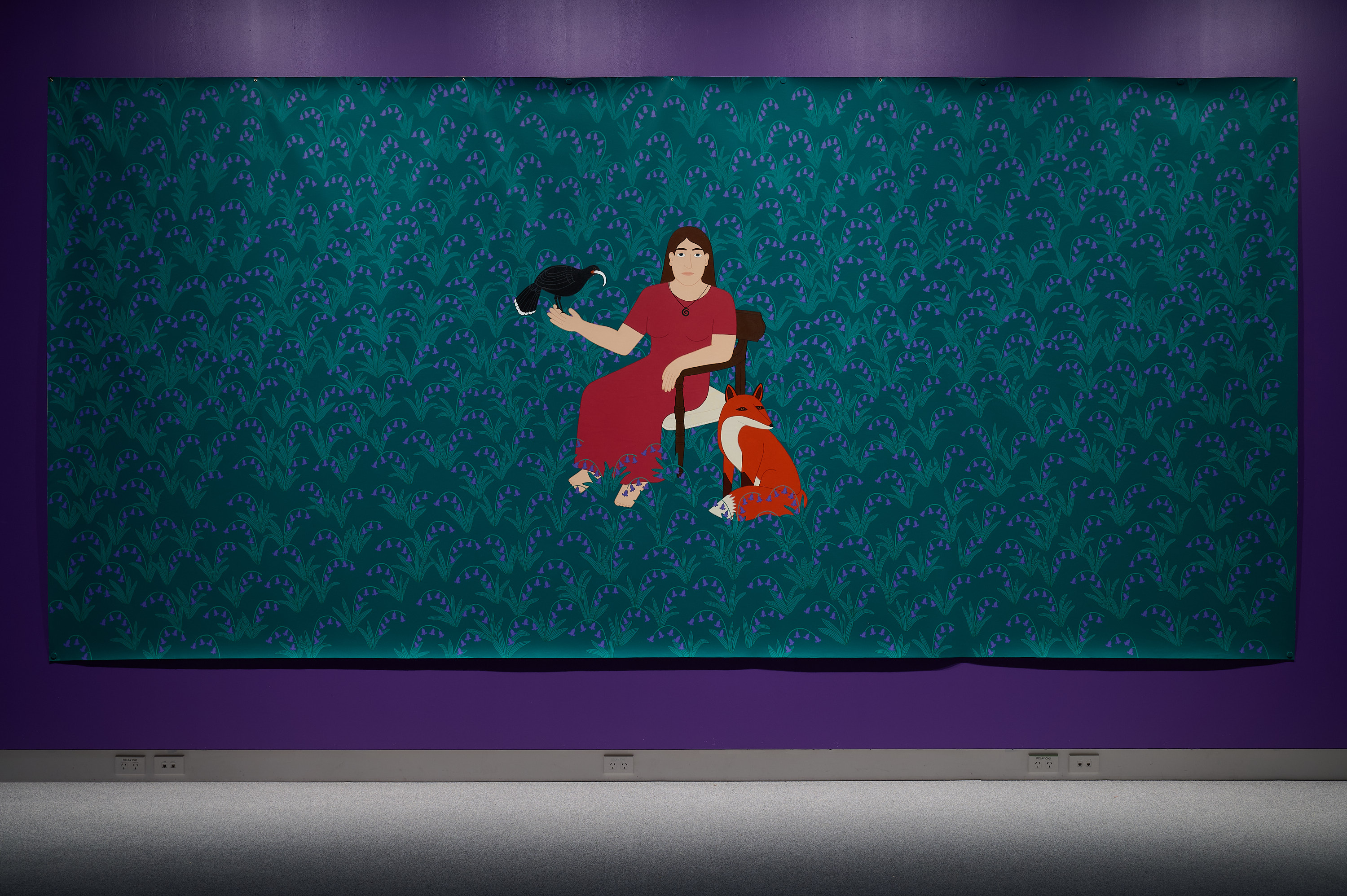
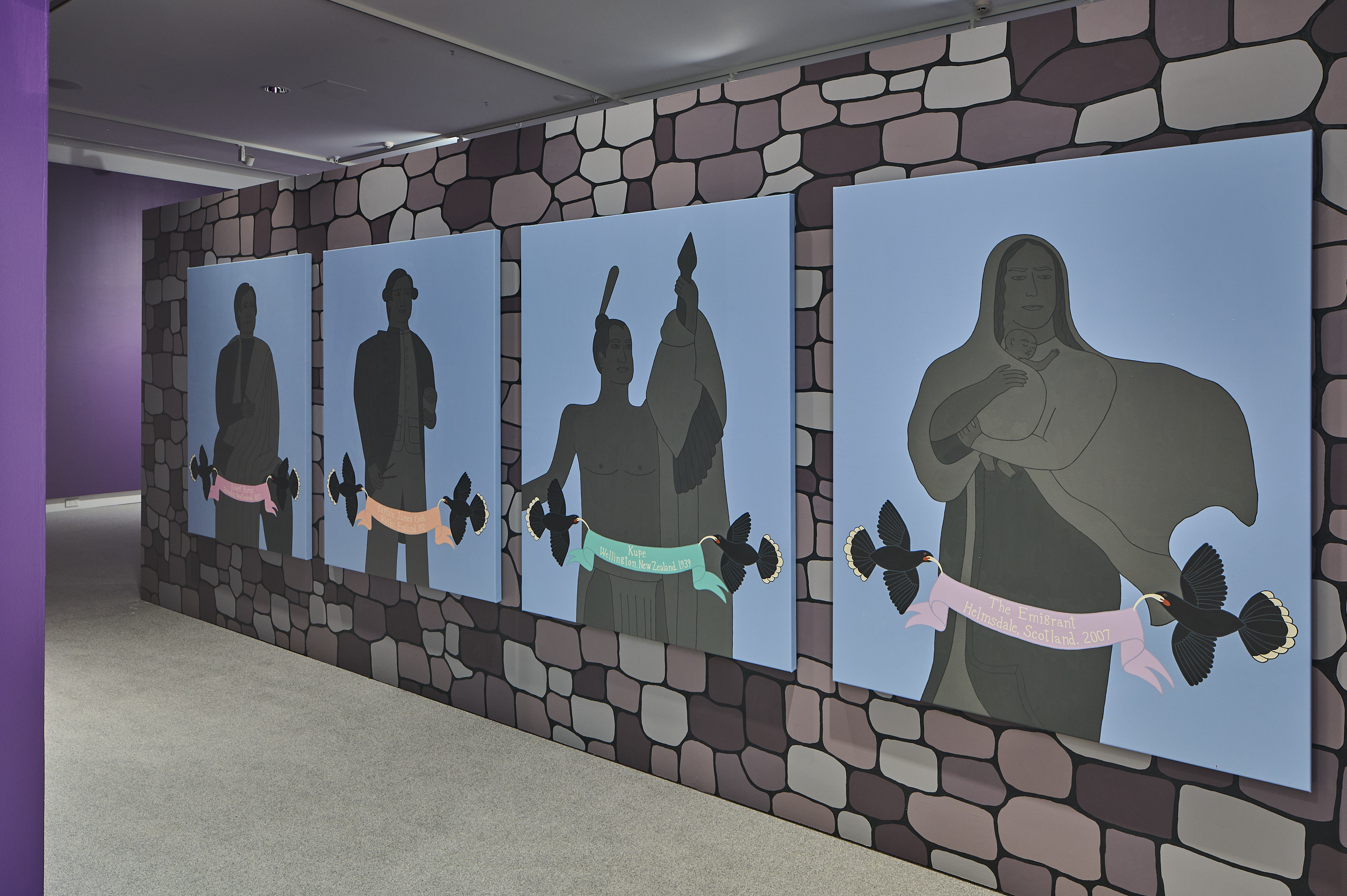
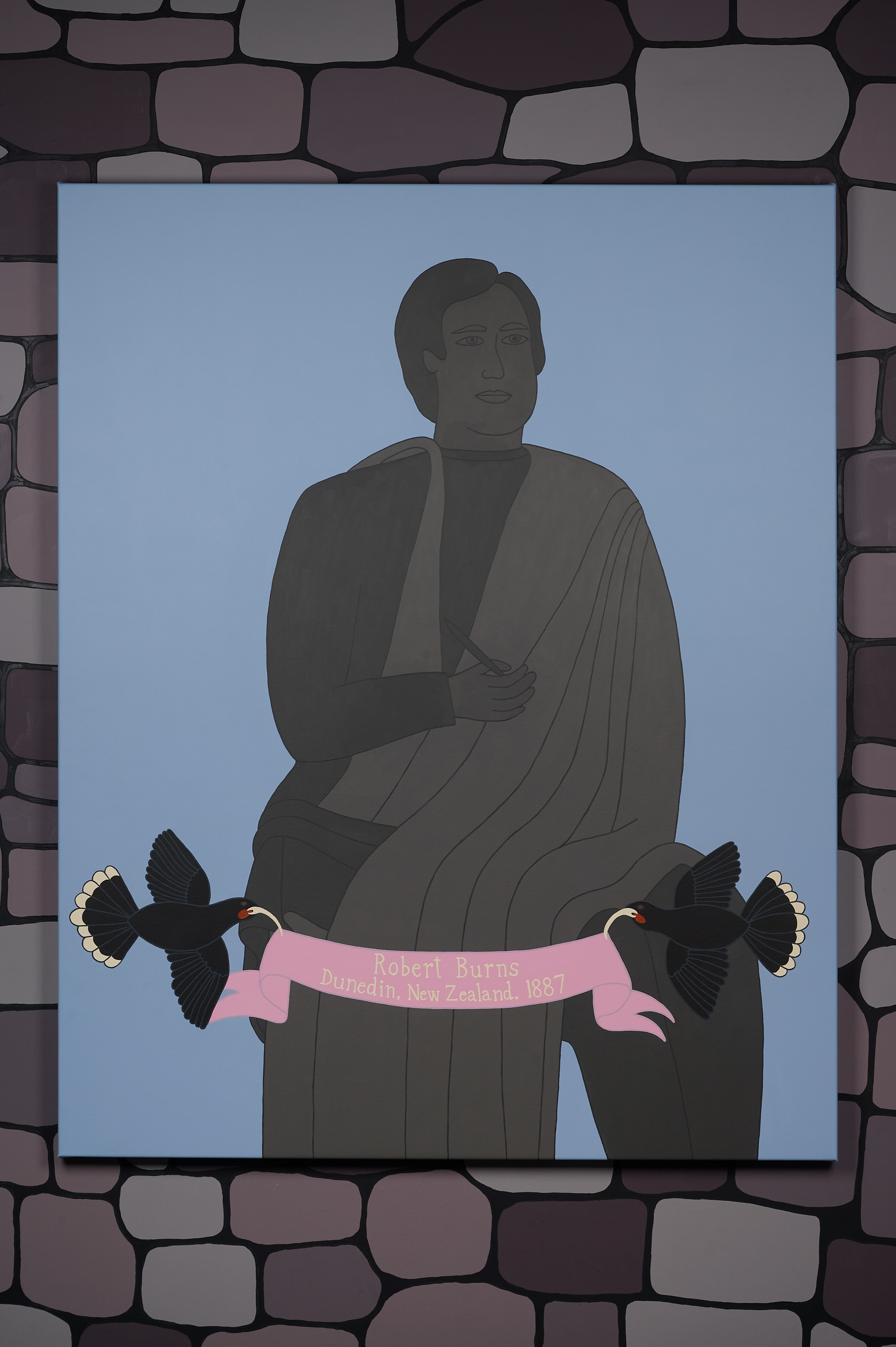
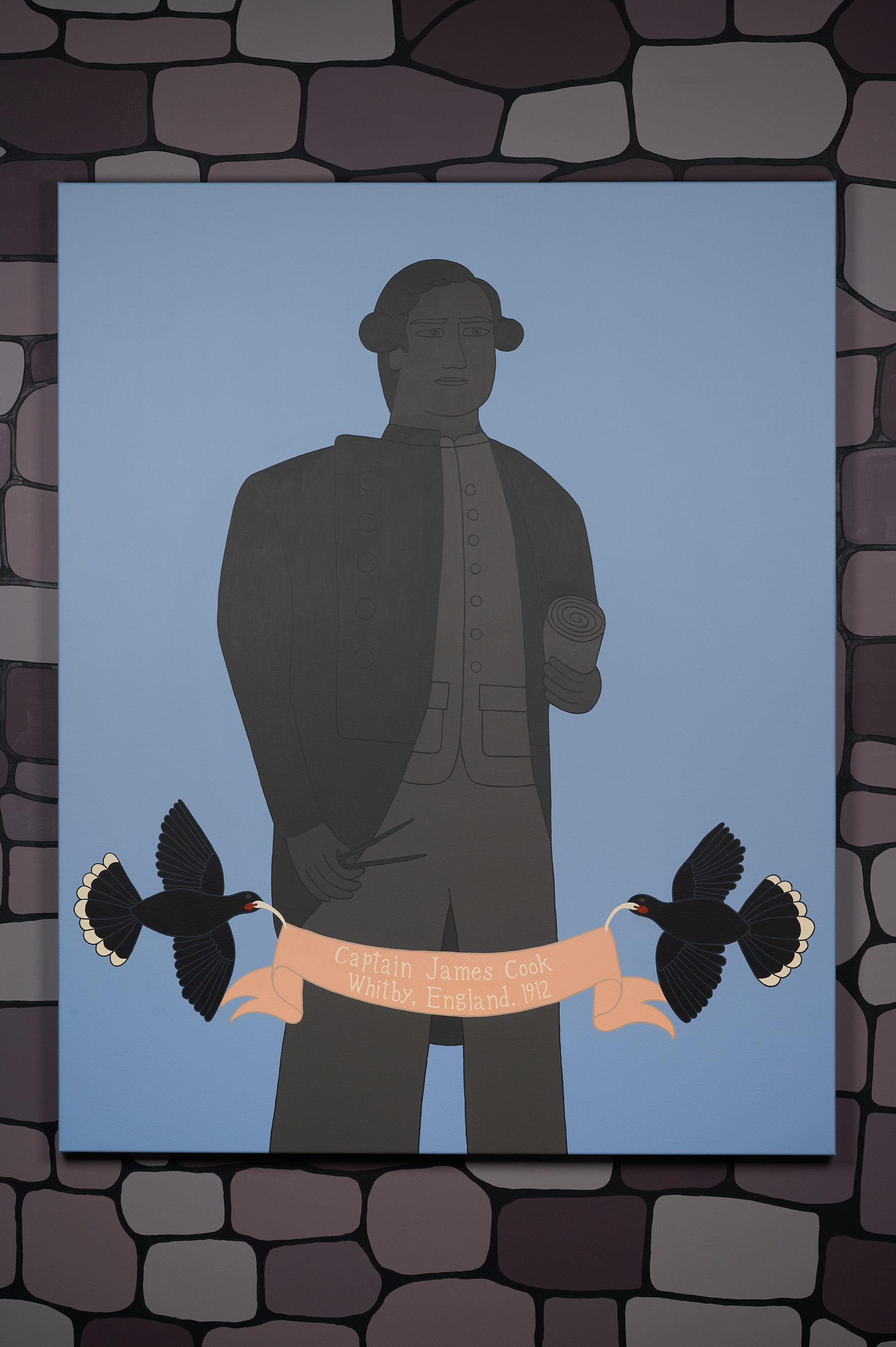
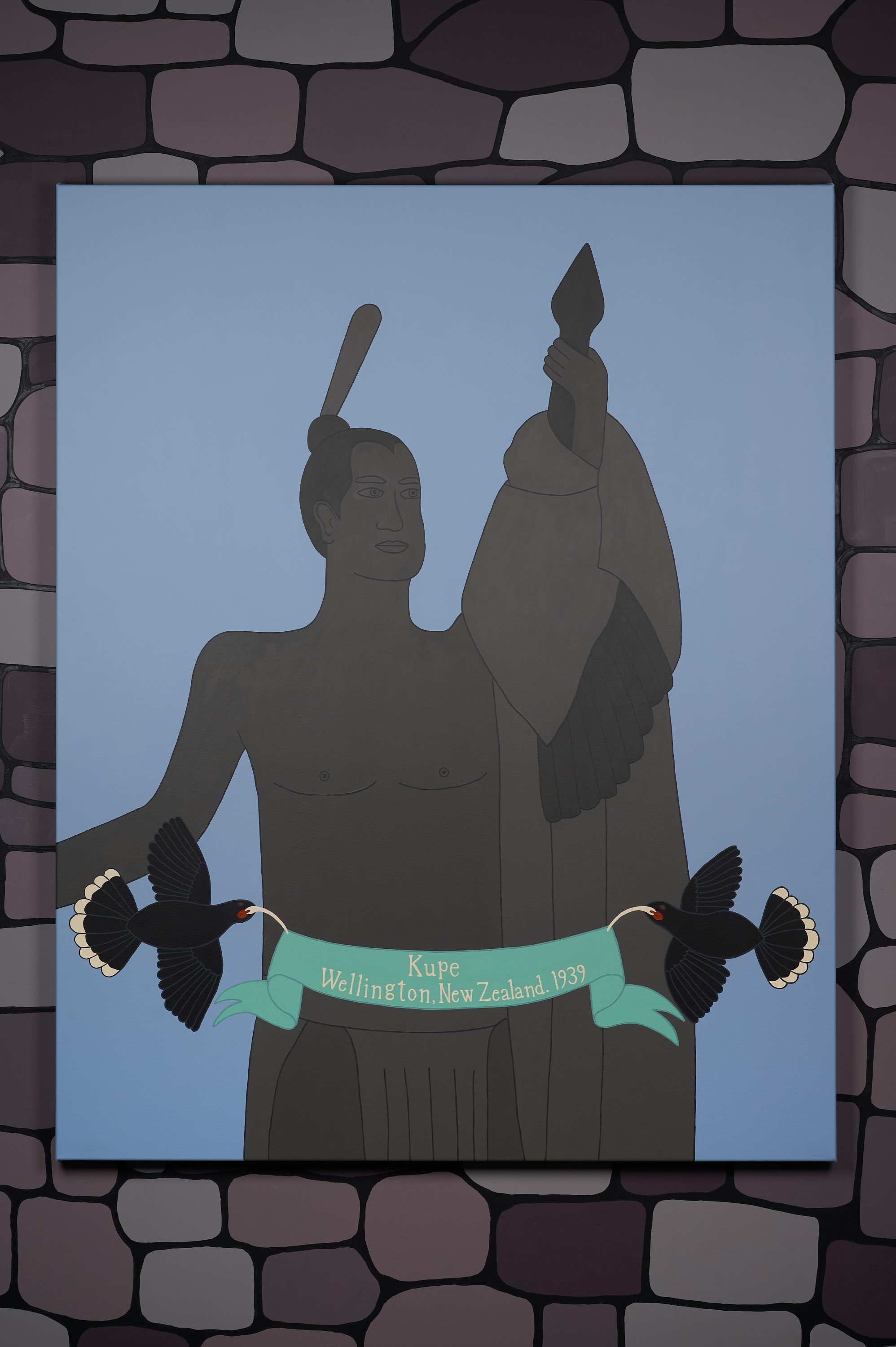
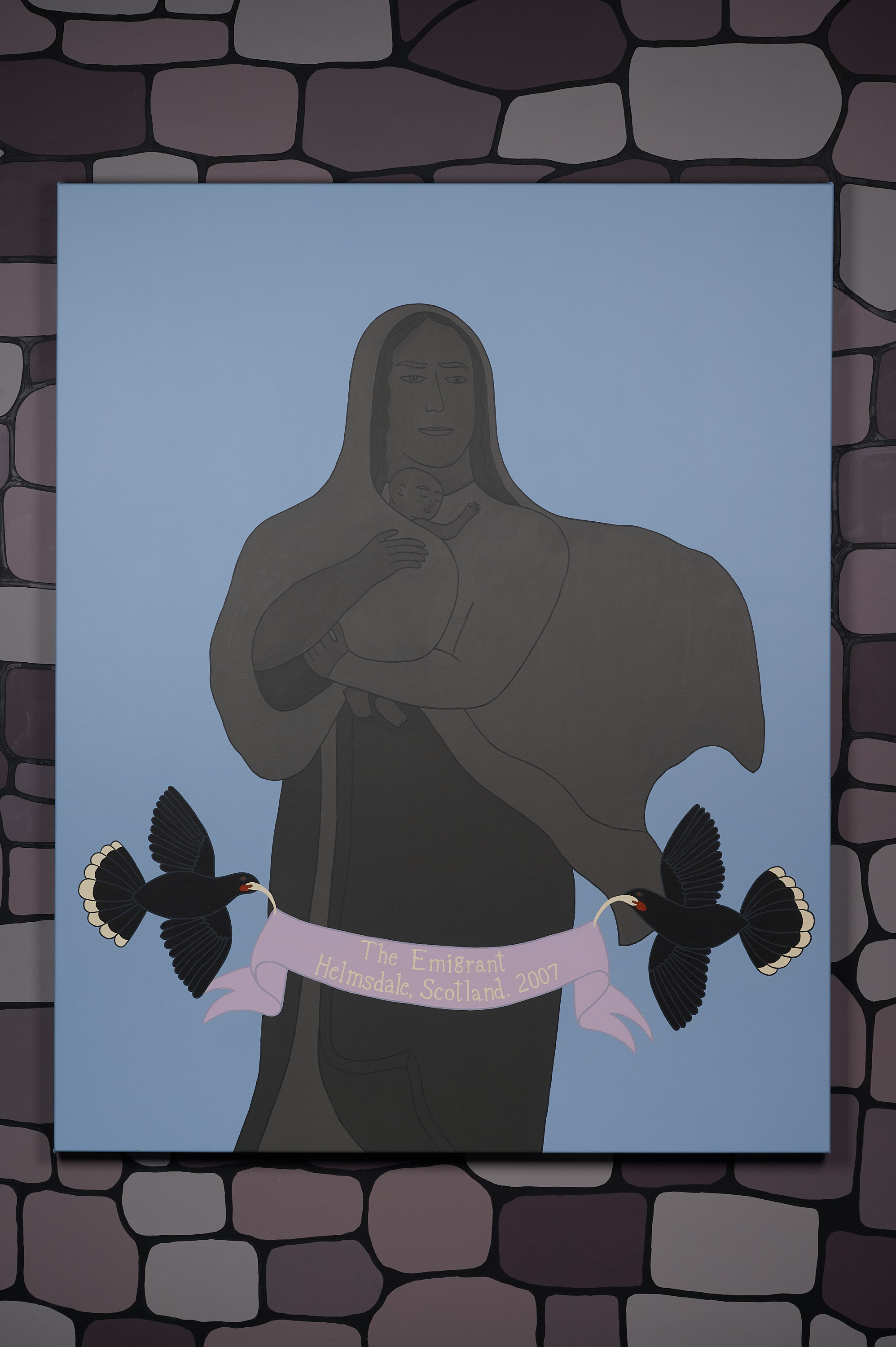
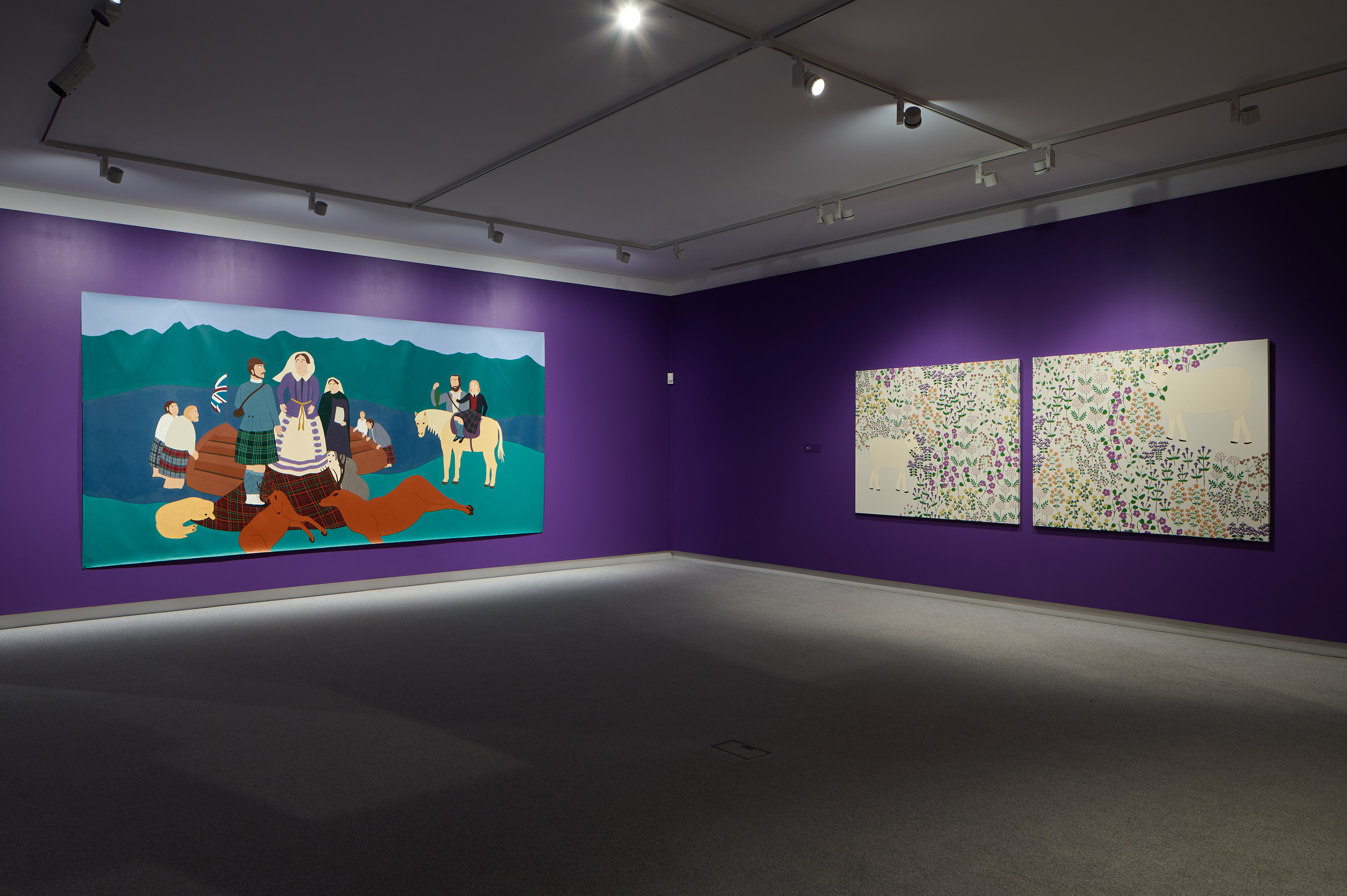
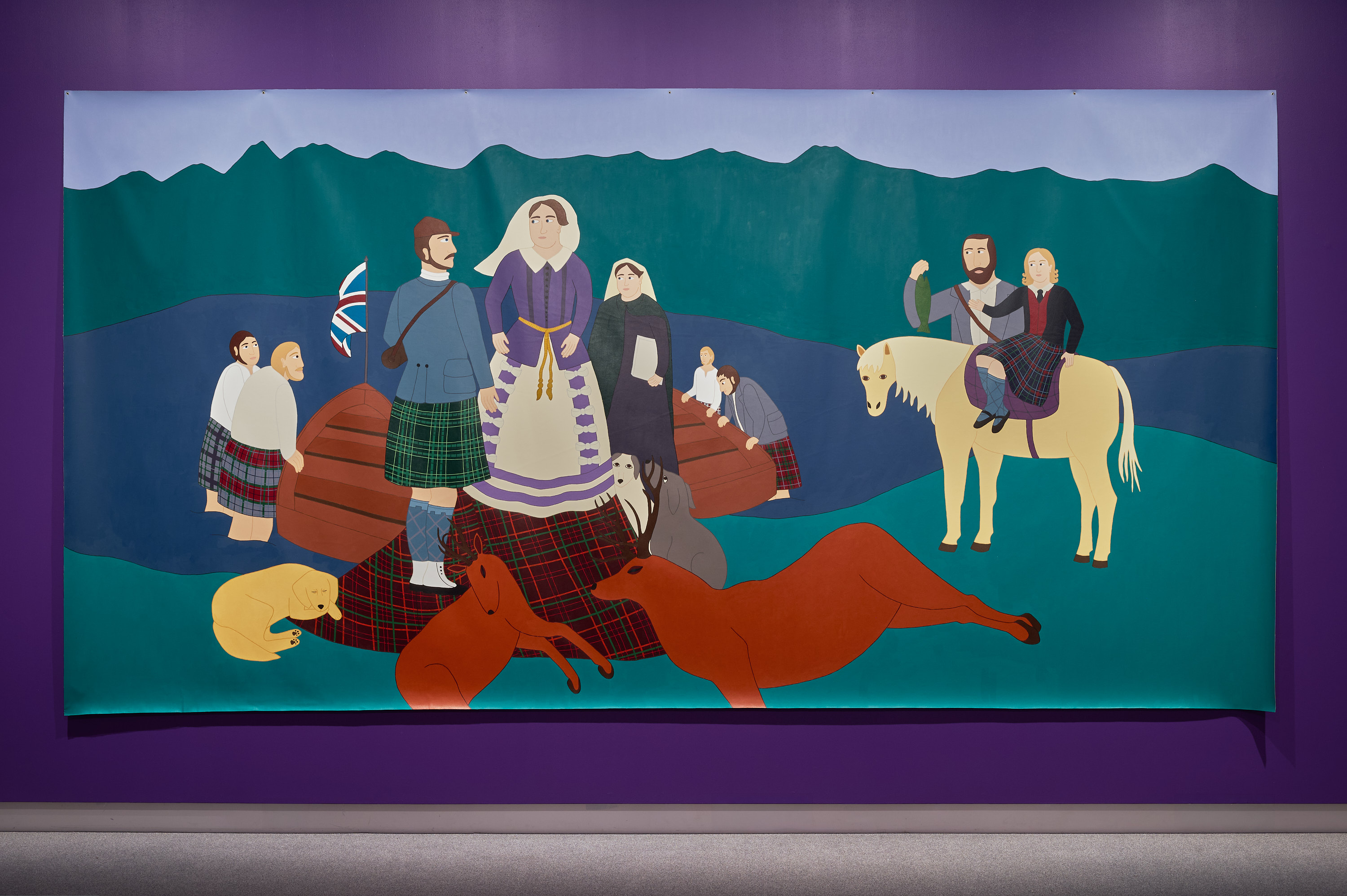
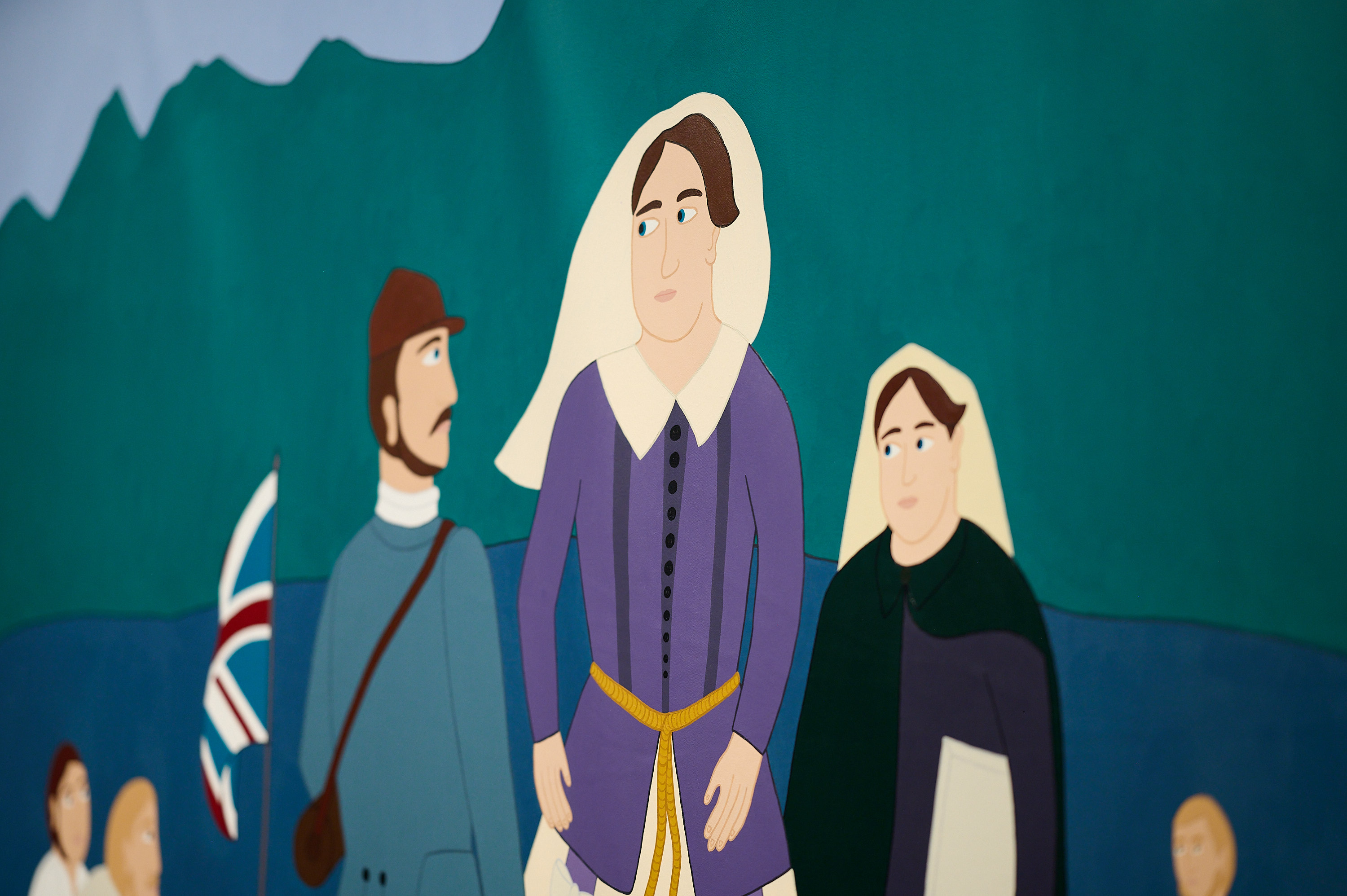
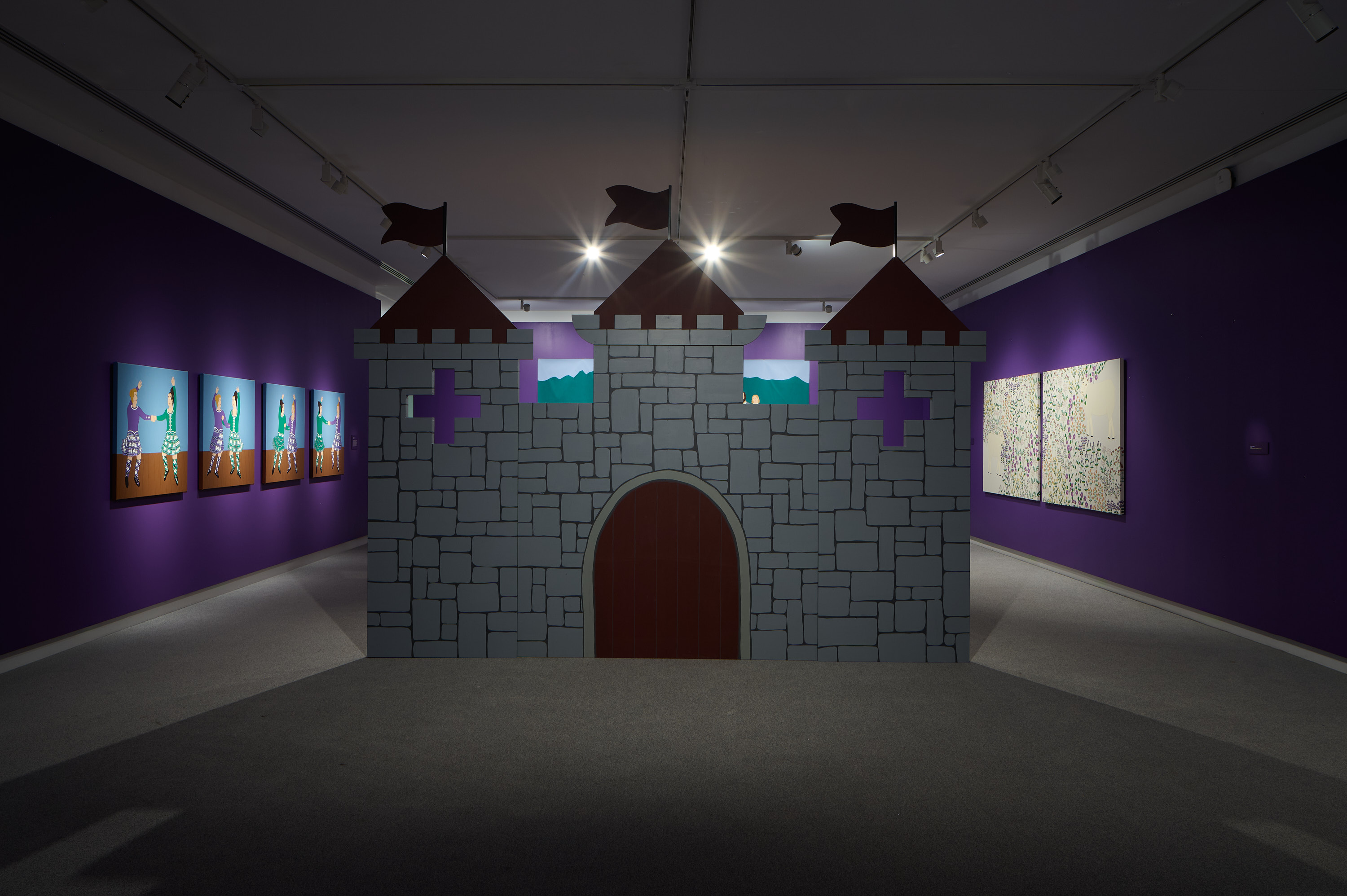
Examining the history of 19th-century Scottish emigration to Aotearoa New Zealand, Ayesha Green (Kāi Tahu, Ngāti Kahungunu ki Heretaunga, Pākehā) asks what compels communities to leave their homes.
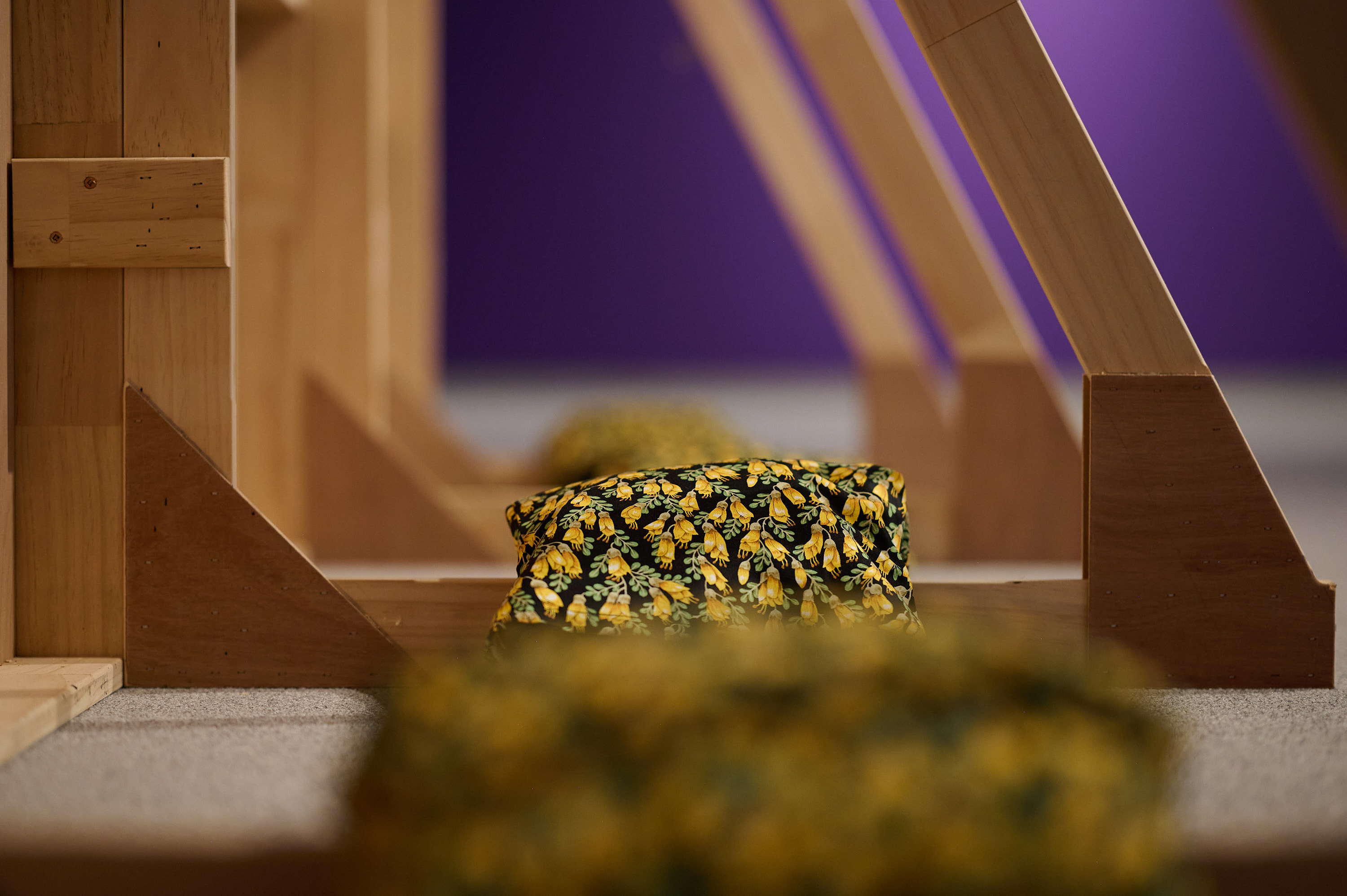
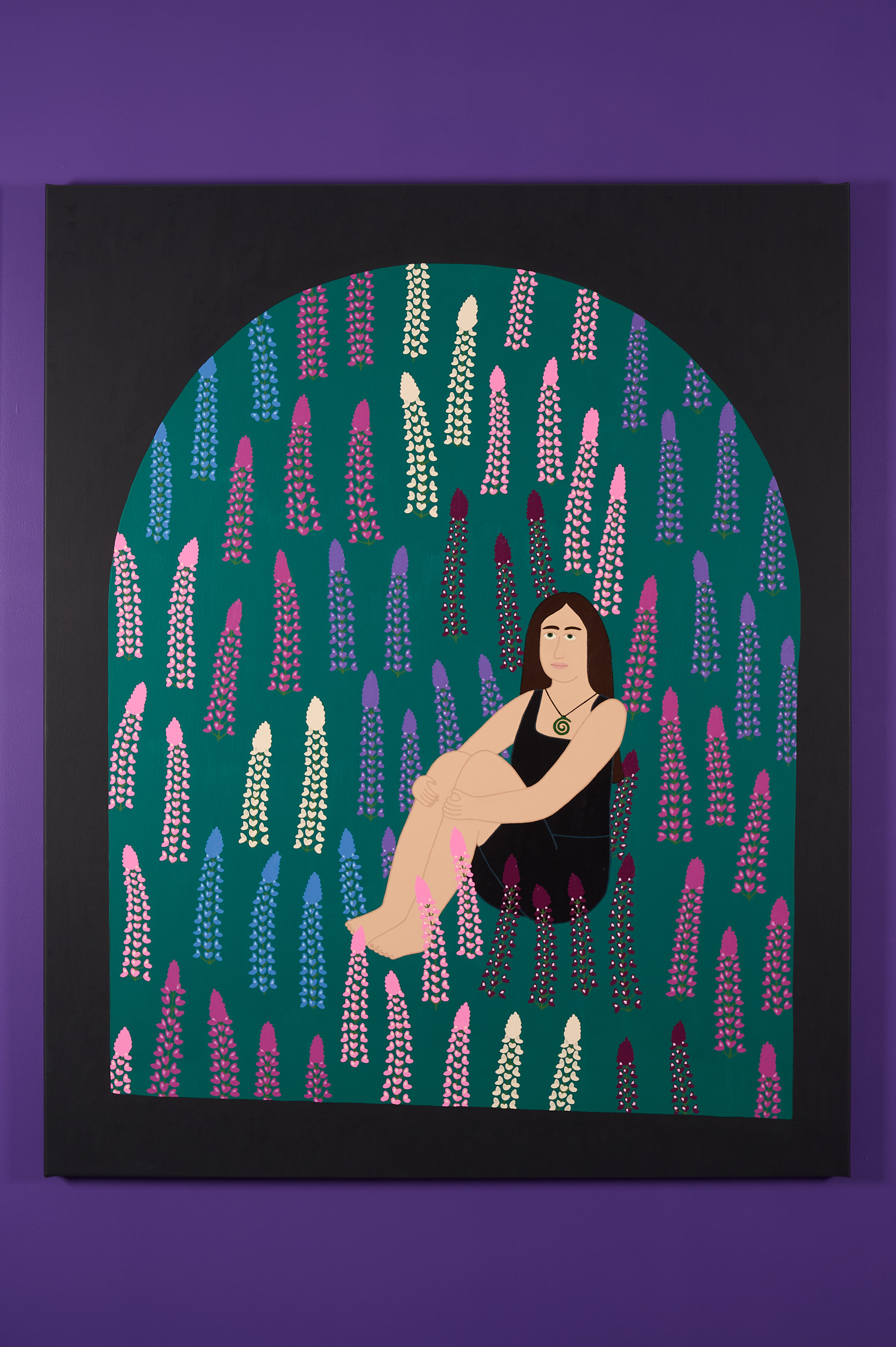
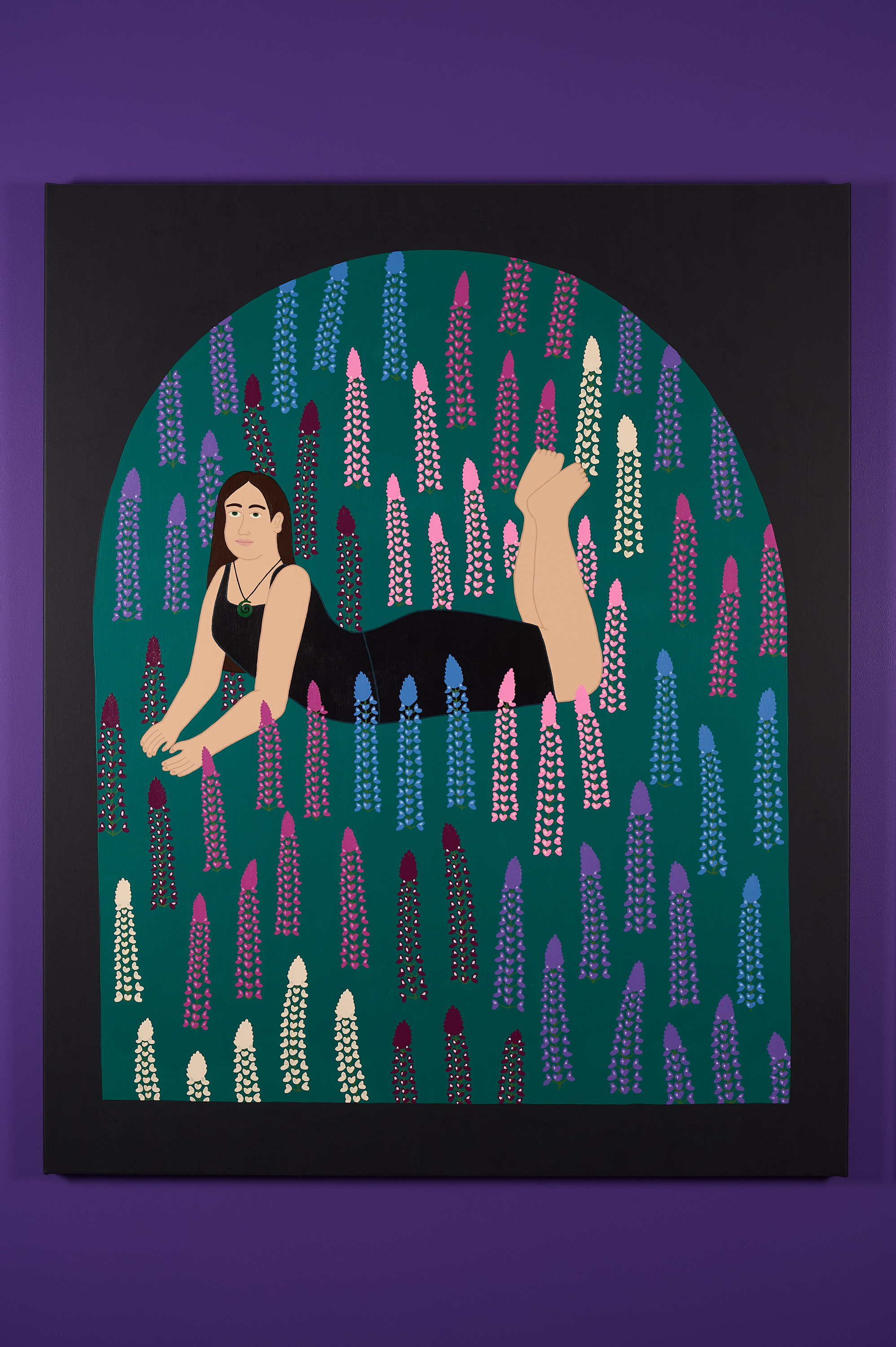
Tracing what she describes as a whakapapa of colonisation, Green considers the cultural suppression, displacement and economic forces that drove working-class Scots from their ancestral lands, and how this history intersects with the colonisation of Aotearoa.★☆★Green locates colonialism within a longer history of British imperial expansion. Many Scottish emigrants dispossessed through imperialism subsequently benefited from a colonial system founded upon the dispossession of Māori. These histories are neither equivalent nor interchangeable, but their intersection points to the different ways imperial power has affected people and places.★☆★Across painting, drawing and sculpture, Green examines how images can produce and circulate certain ideas about land, culture and authority. Copying and reworking historical imagery, she draws attention to how visual culture helped entrench colonial power. She interrogates romantic visions of the Scottish Highlands and Aotearoa that render the landscapes picturesque while obscuring the people displaced from them.★☆★Underlying this exhibition is an intimate history of departure and loss. Green’s own ancestors were cleared from their land before emigrating here from Scotland. Revisiting this history does not equate Scottish and Māori experiences, but highlights their differences, entanglements and points of connection—including the grief of separation from ancestral land.★☆★The Highlander’s Farewell has been specially developed for Rokowhiria Art & Heritage, Hakatere Ashburton, with generous support from Creative New Zealand. The photographs shown here are by Adrian Vercoe, Te Whanganui-a-Tara.